
Today’s students use social networks intensively and take advantage of the digital public sphere as a place for information, contestation, organization and debate, as well as a platform for political, social, educational and ethical struggles. They are also the most vulnerable target groups to misinformation and propaganda as they have not fully developed critical thinking skills and are prone to confusion and credulity (Wuyckens, Landry, Fastrez, 2022). Media literacy education equips them with critical skill sets that enable them to quickly identify fake news, misinformation and propaganda. Daily life unfolds in this space-time experience that constitutes continuous flows between physical and digitalized reality on the Internet. Hence, connectivity is a principle of life in society (Tropiano, Reis, 2024). In a turbulent information ecosystem and participatory media culture, news literacy becomes an essential competence (Cernicova-Buca, Ciurel, 2022).
As media continues to grow in influence in the digital age, integrating media literacy into language learning has become imperative, challenging the education system to transform its pedagogy to meet the demands of the 21st century. Incorporating media literacy into the school curriculum offers a transformative opportunity to develop students’ critical and creative thinking, cultural awareness, and digital literacy skills across diverse media systems. Media literacy in education has become an essential skill in the digital age, equipping students with the critical thinking and analytical abilities needed to navigate an increasingly complex and information-rich world. As technology continues to shape daily life, students are exposed to a vast array of media platforms, including social media, news outlets, online videos, and interactive content. The ability to evaluate, interpret, and create media messages is no longer a luxury but a necessity for active, informed citizenship. Media literacy education aims to help students develop the competencies to discern credible information from misinformation, recognize bias, and understand the ethical implications of media consumption and creation (Raji, et.al., 2025).
Although teens and older students are considered the primary audience in most media literacy education initiatives, addressing media literacy within higher education is also important. Some authors have claimed that university students might not be media literate, and addressing media literacy competencies is a neglected area at the university level (Čiuladienė, et.al., 2023).
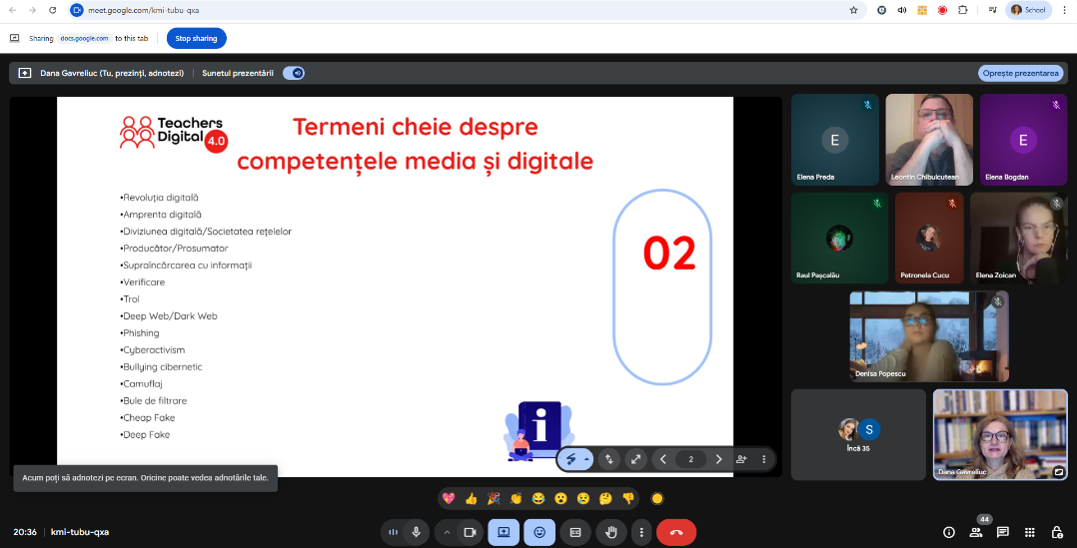
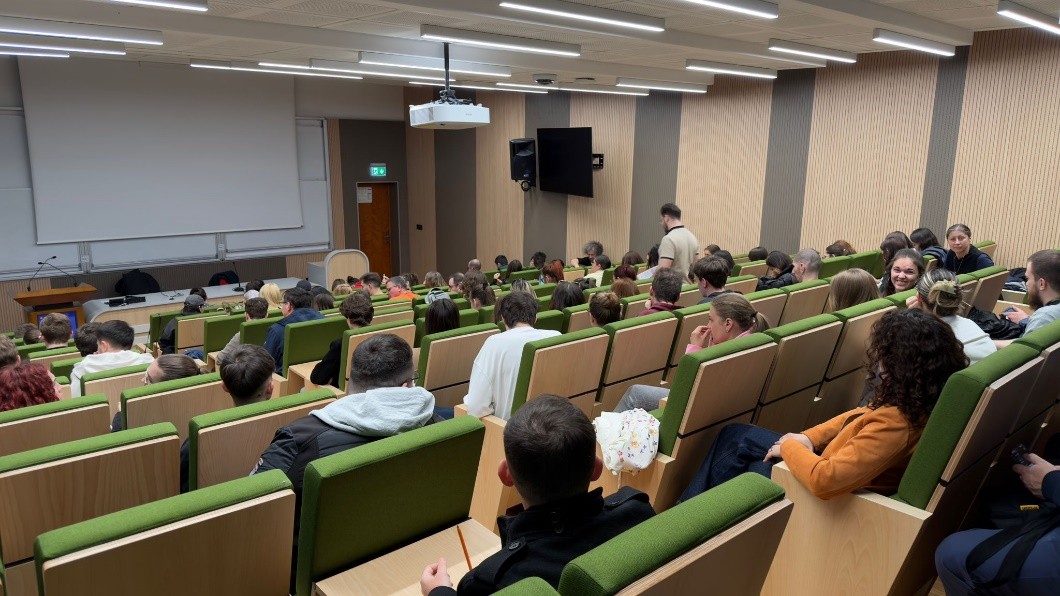
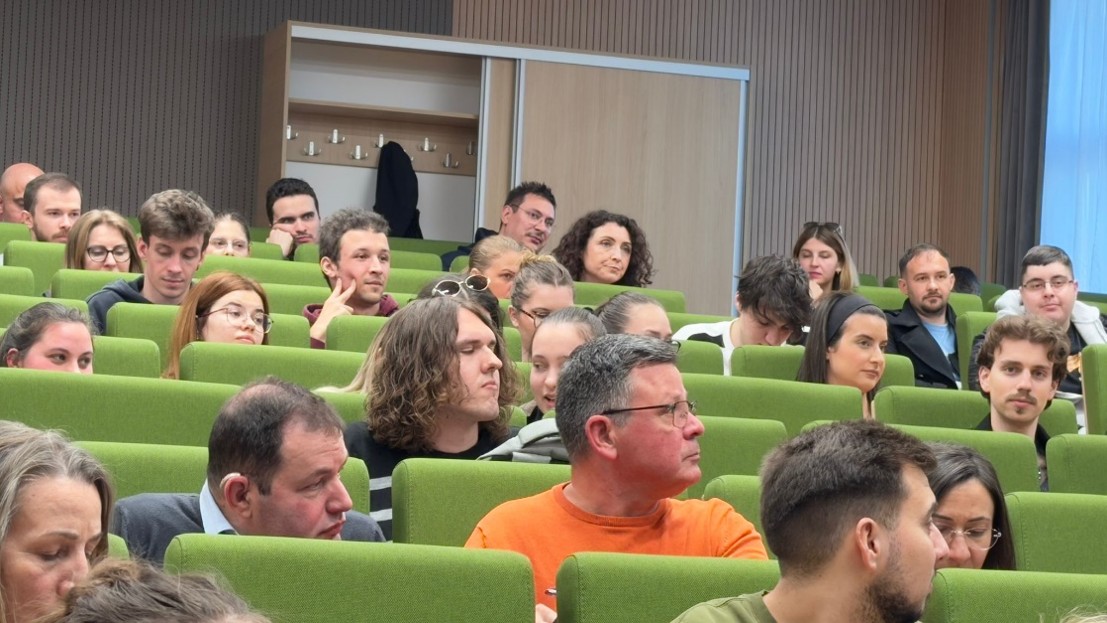
In Romania, the Teachers 4.0 Digital project, in which West University of Timisoara (WUT) is a partner, aimed to promote digital media literacy and combat misinformation with teachers, educators and students of educational sciences as target group. Teachers must have the knowledge and skills to enable their students to think critically, make informed choices online and stay safe. Therefore, during this 2nd semester of the academic year 2025-2026, WUT developed training courses for more than 200 students in educational sciences.
Media literacy education has been identified as a means to enhance the information capacity of individuals. Individuals can learn to criticize stereotypes, dominant values, and ideologies produced by the media and critically examine and evaluate media content through media literacy education. Moreover, media literacy education is believed to help counteract the media’s adverse effects. It refers to empowering to differentiate between fake news and accurate information and combat propaganda “which incites racism, hatred, conspiracy theories, violence, and radicalization” (Čiuladienė, et.al., 2023).
Creating skills in the context of media literacy education refers to being a responsible message creator and taking action to use the power of communication and information for social good (Hobbs et al., 2022). Furthermore, critical media literacy encompasses the ability to use the media as a tool for social transformation beyond critical text analysis, leading to the teaching of conscious effort towards the improvement of equality and justice, as well as to the creation of a better society.Interested in hearing about our future project activities, events and results? Stay in touch with us by subscribing to our newsletter here and following us on LinkedIn, Facebook and Instagram: @teachers4digitalage!
Cernicova-Buca, M., & Ciurel, D. (2022). Developing resilience to disinformation: A game-based method for future communicators. Sustainability, 14(9), 5438.
Čiuladienė, G., Gulevičiūtė, G., Latinytė, R., & Guogis, A. (2023). Promoting media literacy: Lithuanian students’ experience. Entrepreneurship and Sustainability Issues, 11(1), 282-292. doi: https://doi.org/10.9770/jesi.2023.11.1(17).
Hobbs, R., Moen, M., Tang, R., & Steager, P. (2022) Measuring the implementation of media literacy statewide: a validation study, Educational Media International, 59(3), 189-208. https://doi.org/10.1080/09523987.2022.2136083.
Raji T. O, Oladimeji O. A, & Akinyera M. B. (2025). Media Literacy in Education: Preparing Students for a Digital World. Journal of Educational Studies Trends and Practice, 8(8). https://doi.org/10.70382/sjestp.v8i8.028
Tropiano, L., & Reis, P. (2024). How to design an effective MOOC to promote media literacy: A study based on the Educational Design Research approach. Journal of Media Literacy Education, 16(3), 62-78. https://doi.org/10.23860/JMLE-2024-16-3-5.
Wuyckens, G., Landry, N., & Fastrez, P. (2022). Untangling media literacy, information literacy, and digital literacy: A systematic meta-review of core concepts in media education. Journal of Media Literacy Education, 14(1), 168-182. https://doi.org/10.23860/JMLE-2022-14-1-12.