What does it mean to be a teacher in an increasingly digital world? Today, the answer goes far beyond knowing how to use digital tools in the classroom. Teachers are also expected to help young people navigate an overwhelming flow of information, recognise misleading content, understand the risks associated with artificial intelligence and social media, and develop the critical thinking skills needed to make informed decisions online.
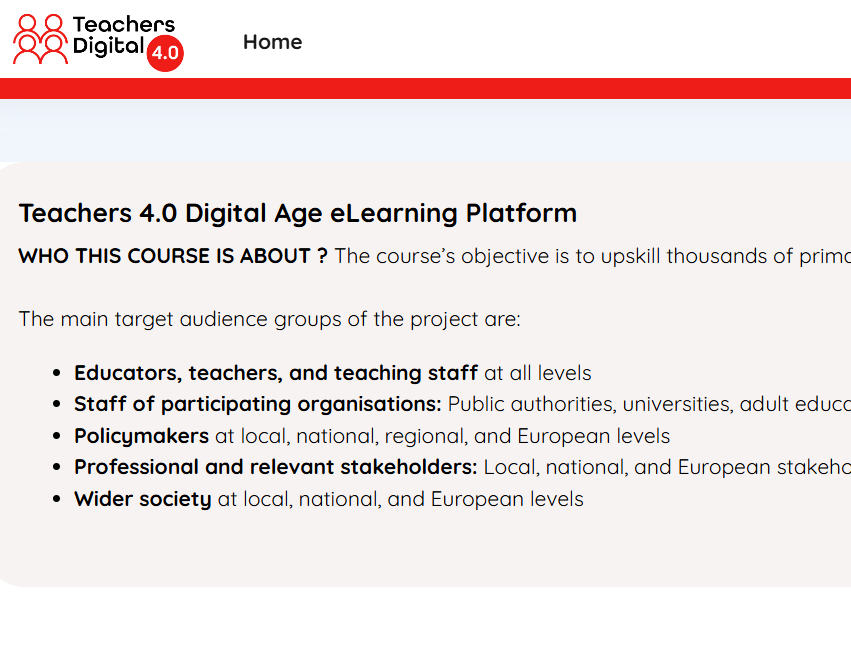
These challenges are at the heart of the Teachers 4.0 Digital Age project, an Erasmus+ initiative focused on strengthening digital and media literacy in education and preparing teachers for the realities of the digital age.
An important stage of the project has now been completed in Poland: the training programme for in-service teachers delivered by the University of Lodz and the Lodz Centre of Teacher Training and Vocational Education.
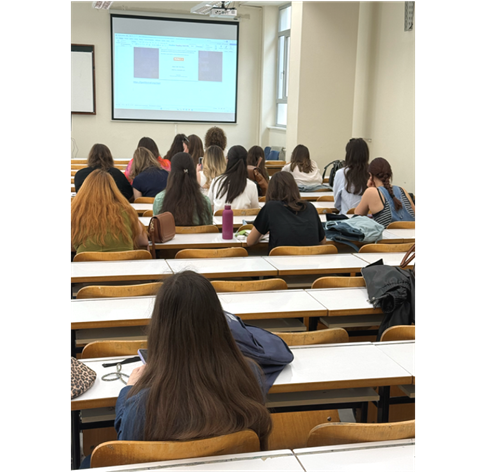
From December 2025 to April 2026, teachers and other education professionals participated in a comprehensive blended-learning programme developed within Work Package 5. Nine groups took part in the training, with each group completing three synchronous online seminars alongside independent work on the project’s e-learning platform. Each programme covered 60 hours of learning. In total, 223 participants registered and 205 attended the training.
The programme was designed not simply to provide theoretical knowledge, but to develop skills that teachers could apply directly in their everyday professional practice.
The main themes included online disinformation, recognising false and misleading content, understanding the mechanisms behind its spread, evaluating information sources, critical thinking, digital tools, media literacy and responsible participation in the digital environment. An important part of the programme was also considering how teachers can develop these competences among their students.
A structured learning journey
The training was organised as a coherent learning process, divided into three complementary stages.
The first seminar introduced participants to the project, the objectives of the training and the concept of the “Teacher 4.0”. It also familiarised them with the e-learning platform and prepared them for independent work.
The second seminar took place after participants had completed the first five modules. It focused on reviewing their progress, discussing experiences and difficulties, evaluating completed activities and gathering feedback. It also helped participants prepare for the final stage of the programme.
The third seminar brought the learning journey to a close. It focused on consolidating the key topics, presenting good practices and examples of the practical use of digital tools, and encouraging participants to reflect on how their newly acquired competences could be used in everyday teaching. Participants were also able to formulate conclusions and recommendations for their future professional development.
This structure allowed the training to move from introduction and exploration, through monitoring and evaluation, to reflection and practical application.
Learning by doing
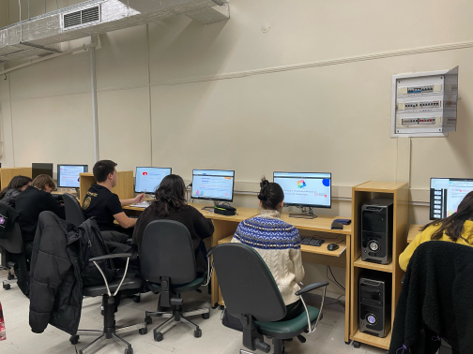
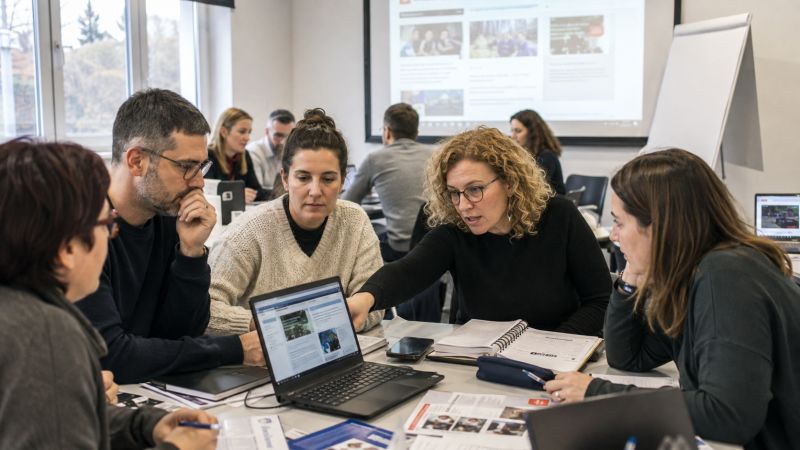
The format of the programme was an important part of the learning experience. The training combined live online meetings via Microsoft Teams with asynchronous work on the e-learning platform. This gave participants flexibility and allowed them to complete activities at their own pace, while simultaneously developing competences in a digital learning environment.
The methodology was practical and workshop-oriented. Participants worked with multimedia materials, interactive educational applications, online resources, quizzes and surveys. Discussions and Q&A sessions gave them opportunities to share experiences, ask questions and consider how particular tools or approaches could be transferred to their own educational settings.
The evaluation showed that this practical approach was one of the strongest elements of the programme. Participants particularly appreciated real-life educational scenarios, hands-on activities, practical examples of digital tools and the possibility of independent work. They also valued the opportunity to exchange experiences with other teachers, pedagogues and psychologists.
The diversity of the participants was another important strength. The groups included educators from different subject areas and educational levels, as well as school pedagogues and psychologists. Participants represented different stages of professional experience, from early-career educators to professionals with many years of experience in education.
This diversity created an environment for mutual learning. Participants could compare different experiences, share established teaching practices and explore how innovative digital solutions could be adapted to different educational contexts.
Why this matters now
The timing of the training is particularly relevant. The digital environment in which students learn and communicate changes much faster than traditional educational programmes can be updated. New platforms appear, artificial intelligence is becoming part of everyday life, and the volume of online information continues to grow. At the same time, disinformation can take increasingly convincing forms, making the ability to question, verify and contextualise information an essential educational skill.
This is why the project places the teacher at the centre of the response. A digitally competent teacher is not expected to know every new technology, but to be able to select appropriate tools, understand their opportunities and limitations, and create learning situations in which students become more independent and responsible users of digital information.
The training experience in Poland showed that professional development works particularly well when it connects new knowledge with real educational situations. The combination of independent learning, live discussion, practical examples and exchange between professionals created space not only for acquiring information, but also for reflecting on how that information can be used in real classrooms.
Measurable results
The results of the training are particularly encouraging. The average satisfaction score after completing the course was approximately 4.6 out of 5, compared with an initial self-assessment average of 3.2.
The comparison of pre- and post-training questionnaires showed clear improvements in participants’ knowledge, competences and attitudes. Participants reported greater awareness of disinformation and online threats, increased confidence in applying critical thinking and digital solutions in educational practice, and improved readiness to recognise and address disinformation-related issues when working with students.
The training also strengthened awareness of the importance of digital competences, media literacy and interdisciplinary approaches to education.
These results are significant because digital literacy is not simply about knowing how to operate technology. It is also about understanding the information that technology delivers and being able to assess it critically.
For teachers, this means an increasingly important role as guides and mentors who help students navigate the digital world. Young people may be comfortable using technology, but this does not automatically mean that they can recognise manipulation, assess the credibility of sources or understand how information spreads online. These are skills that need to be consciously developed and supported in education.
Challenges and lessons for the future
The training also provided valuable insights into areas that could be developed further. Participants highlighted the need for more practical exercises, real-life case studies related to online threats and disinformation, additional self-learning resources and further opportunities for individual support.
The trainers also faced challenges resulting from different levels of participants’ digital competences. Some participants required additional explanations and support, while differences in engagement with the asynchronous part of the programme sometimes affected the pace of learning.
These experiences are valuable because they show that effective professional development needs to remain flexible and responsive to the needs of its participants. The feedback collected during the training can therefore contribute to improving similar educational programmes in the future.
A wider European effort
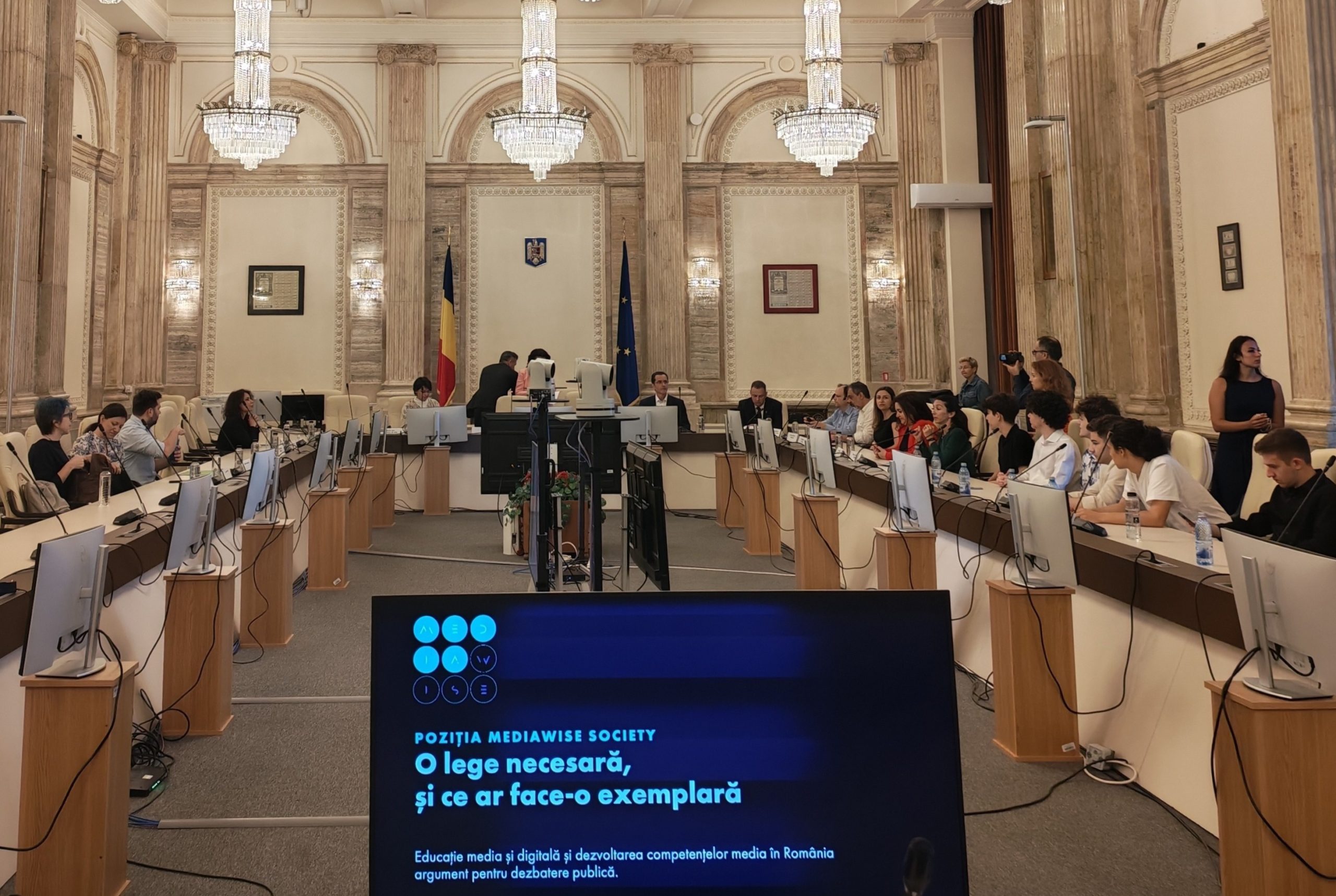
The Polish training programme is part of the broader Teachers 4.0 Digital Age project, bringing together European partners working to strengthen teachers’ digital competences and support the development of media literacy and critical thinking among learners.
The project goes beyond teacher training. Its activities include the development of educational resources and learning opportunities that can support digital literacy in both initial teacher education and continuing professional development.
The Polish experience demonstrates how these European objectives can be translated into practical action. More than 200 teachers and education professionals completed the training, gaining knowledge and confidence that can now be taken into their schools and professional communities.
The final chapter is approaching
With the completion of the training programme, Teachers 4.0 Digital Age is entering its final phase.
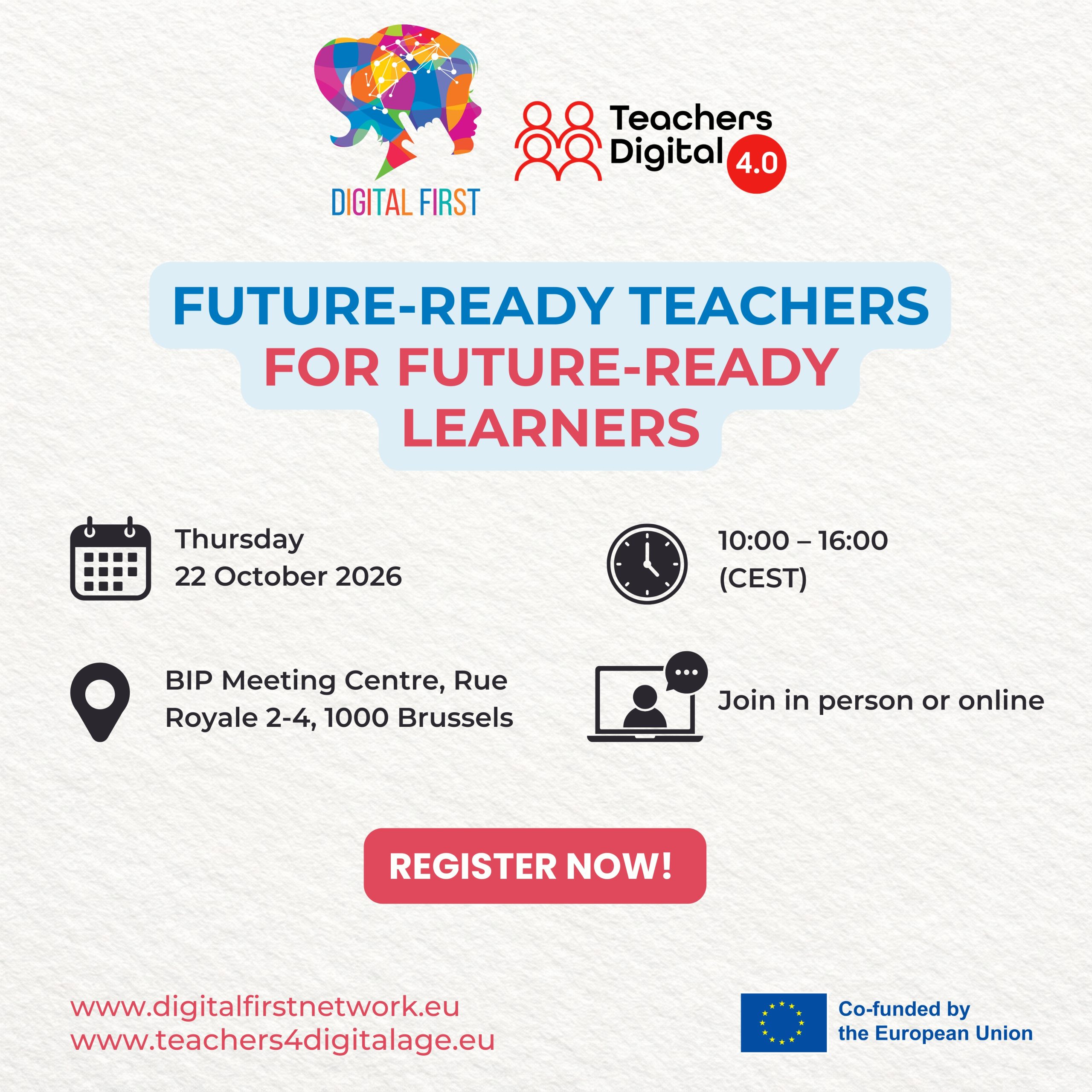
The next important milestone will be the final project meeting in Brussels in October 2026. It will bring the partners together to summarise the activities carried out throughout the project, discuss the results achieved and reflect on the project’s longer-term impact.
For the Polish partners, the completion of the training is an important moment to look back at what has been achieved. The programme brought together educators with different experiences and professional backgrounds, created opportunities for practical learning and strengthened competences that are becoming increasingly important in modern education.
But the real impact of the project will not end with the final meeting or the closing of the project.
It will continue whenever a teacher helps a student question an unreliable source, recognise misleading information, think critically about something encountered online or use digital technology responsibly.
That is where the lasting value of Teachers 4.0 Digital Age can be found — not only in the knowledge gained during the project, but in the knowledge and skills that teachers will continue to share with the next generation.