Author: Martina Natalini

  • The end of a creative year

    The end of a creative year

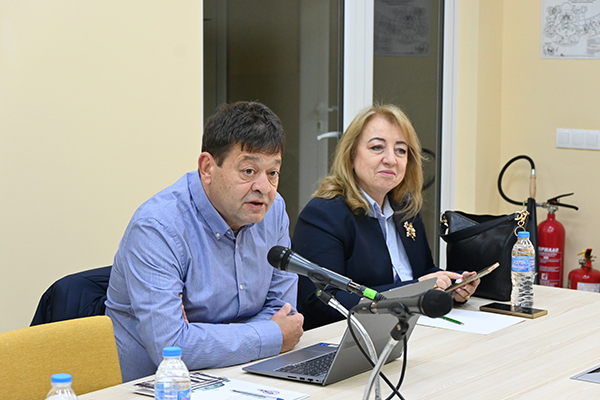
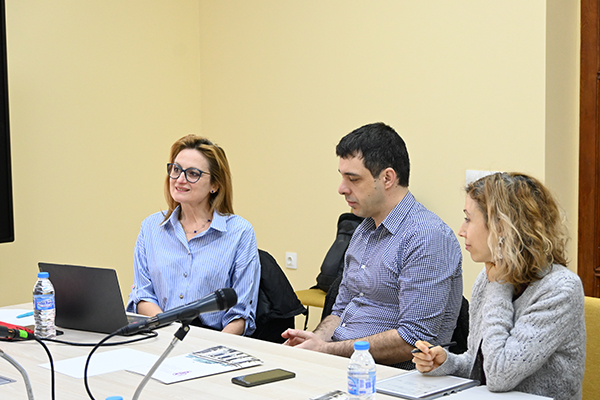
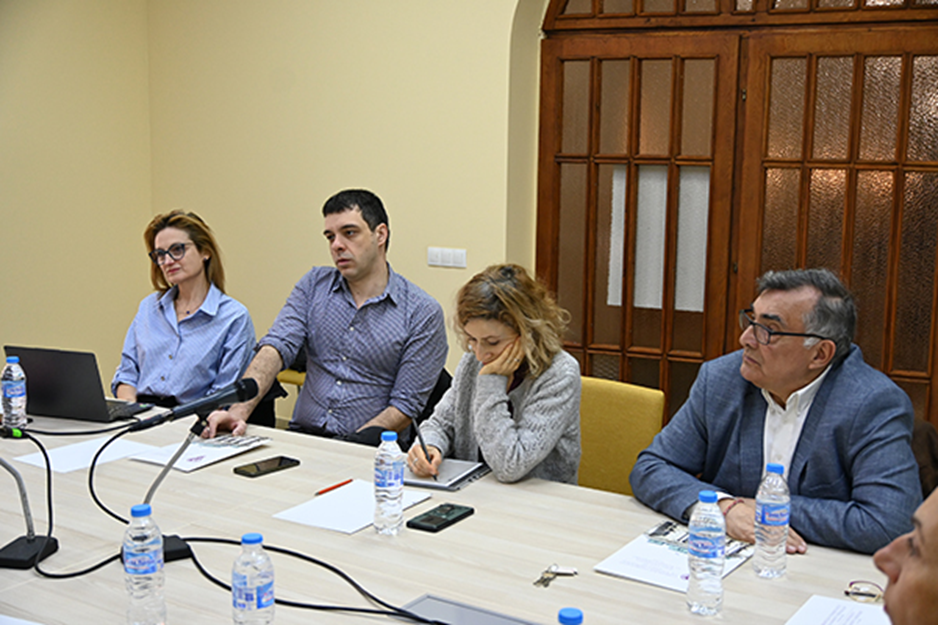
    As 2025 comes to an end, the Teachers 4.0 Digital Age team takes a moment to pause, reflect, and look back on a year marked by growth, collaboration, and meaningful impact. The past twelve months have been a period of intense activity, learning, and collective effort, driven by a shared vision: to support educators in navigating the opportunities and challenges of teaching and learning in an increasingly digital world.

    Throughout the year, the team had the opportunity to design and implement a rich and diverse series of activities that responded directly to the evolving needs of educators. Rapid technological developments, the growing presence of artificial intelligence, and the demand for more inclusive and learner-centered educational practices have reshaped the educational landscape. In response, Teachers 4.0 Digital Age focused on creating relevant, practical, and forward-looking initiatives that empower educators to adapt, innovate, and thrive.

    Targeted training sessions formed the backbone of our work in 2025. These trainings were carefully structured to address both foundational and advanced digital competencies, combining theory with hands-on practice. Educators were supported in developing digital pedagogical skills, understanding emerging technologies, and integrating innovative tools into their everyday teaching practice. The emphasis was not only on “how to use” digital tools, but also on “why” and “when” to use them, fostering critical thinking, ethical awareness, and pedagogical purpose.

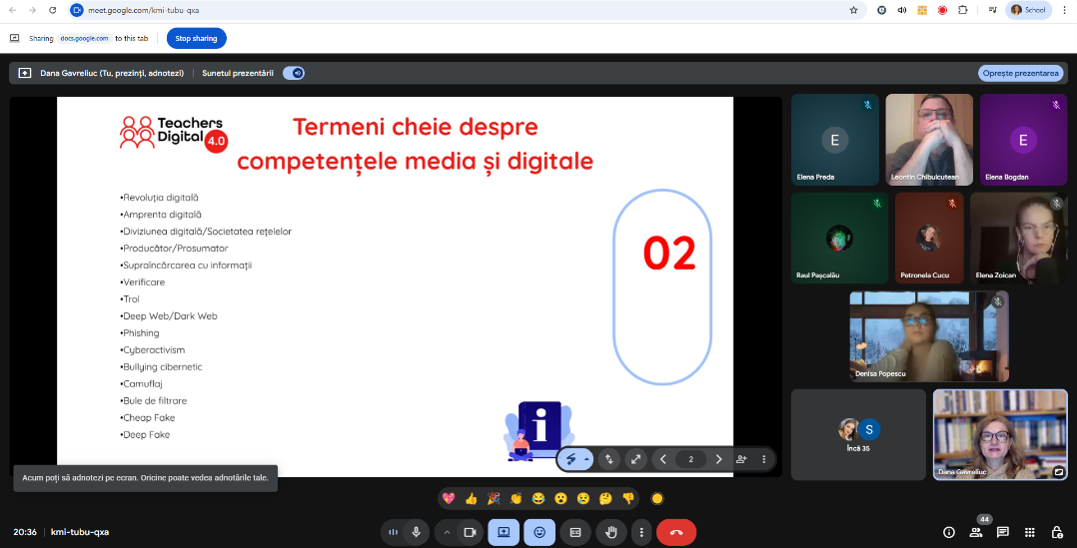
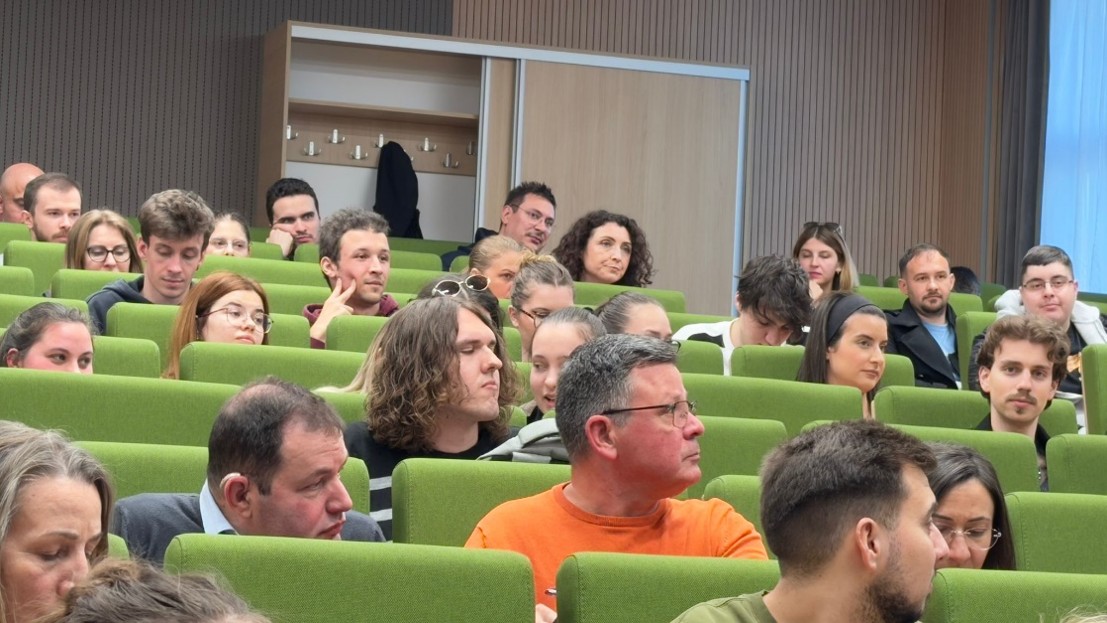
    Events and collaborative initiatives further expanded the reach and visibility of Teachers 4.0 Digital Age. By participating in and organizing national and international events, the team connected with a broader educational community and strengthened its role within the digital education ecosystem. These initiatives allowed us to reach high numbers of participants, multiplying our impact across different regions and educational settings. More importantly, they helped raise awareness about the importance of continuous professional development and innovation in education.

    This growing engagement enabled Teachers 4.0 Digital Age to increase its impact not only in quantitative terms, but also in the depth and quality of the learning experiences offered. Participants consistently highlighted the relevance, practicality, and applicability of the activities. Educators strengthened their digital and pedagogical skills, explored innovative approaches to teaching and learning, and gained confidence in experimenting with new methods in their classrooms. Many reported that the knowledge and skills acquired had a direct and positive effect on their teaching practice and on student engagement.

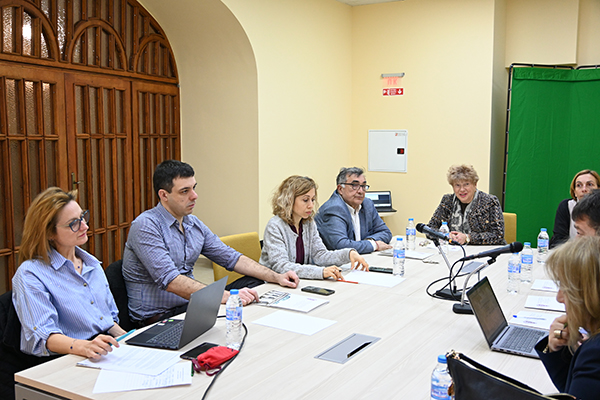
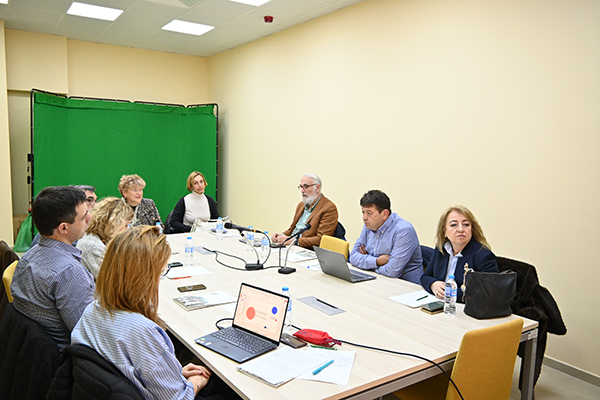
    At the same time, 2025 was a year of strengthening partnerships and building sustainable networks. Collaboration with educational institutions, organizations, experts, and stakeholders proved essential in achieving shared goals. These partnerships enriched the content of activities, ensured alignment with real needs, and created opportunities for long-term cooperation. The networks formed throughout the year are not limited to individual events; they represent living communities of practice that support ongoing professional development and continuous exchange.

    Inclusivity and accessibility remained central values throughout all activities. Special attention was given to ensuring that opportunities were open to educators from diverse backgrounds and contexts, including those with fewer opportunities or limited access to resources. By fostering inclusive learning environments, Teachers 4.0 Digital Age reinforced its commitment to equitable and future-ready education systems that leave no one behind.

    Reflecting on this journey, 2025 stands out as a year of consolidation and momentum. It was a year in which ideas were transformed into action, collaborations were strengthened, and impact was clearly visible. The lessons learned throughout the year have provided valuable insights into what works, what needs improvement, and how to better support educators in the digital age. The challenges faced also served as opportunities for growth, encouraging flexibility, creativity, and continuous improvement.

    As we move forward, the experiences, connections, and results achieved in 2025 offer a solid foundation for the next steps of Teachers 4.0 Digital Age. Building on this momentum, the team remains committed to empowering educators, fostering innovation, and contributing to more resilient, inclusive, and future-ready education systems.

  • Empowering Educators in the Digital Age: The Launch of the Teachers 4.0 Digital Learning Platform and the Start of the Training Phase

    Empowering Educators in the Digital Age: The Launch of the Teachers 4.0 Digital Learning Platform and the Start of the Training Phase

     In an era where digital transformation shapes every aspect of society, education stands at the forefront of rapid change. Teachers increasingly face new expectations, new tools, and new challenges. They are asked not only to integrate digital technologies into their lessons, but also to guide students through a complex online environment marked by constant information flows and growing presence of misinformation. To meet these demands, educators need targeted, high-quality support designed with their real needs and everyday realities in mind. 

    Against this background, the Teachers 4.0 Digital project has been working intensively during the past months to develop solutions that respond directly to these challenges. With a strong consortium of European partners, the project is committed to equipping teachers with practical competences in digital literacy, media literacy, and critical thinking, competences essential for modern and resilient education systems. 

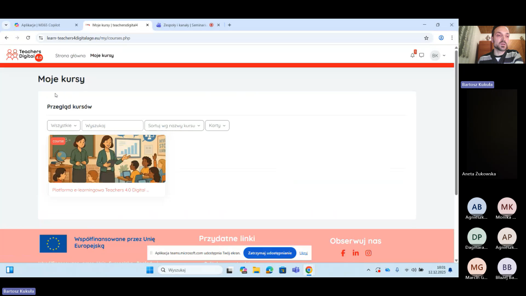
    Today, the project reaches an important milestone: the final version of its interactive digital learning platform and the start of the training phase for participating teachers. This marks the transition into a new chapter of the initiative, where planning becomes practice, and resources begin to reach the educators they were designed for. 

    A Major Milestone: The Teachers 4.0 Digital Age eLearning Platform

    One of the central outputs of the project is the development of an online platform offering access to high-quality educational material tailored specifically to teachers’ needs. This platform, now fully completed and ready for use, is more than just a repository of resources. It represents a modern, interactive learning environment designed to support teachers in building their competences in digital literacy through active engagement, interactive activities, and concrete lesson plans that can be used in the classroom.

    The platform includes:

    · Ten modular learning units on digital literacy, media literacy, misinformation, safety online, ethical use of digital tools, and critical evaluation of information.
    · Interactive exercises designed to simulate realistic classroom scenarios.
    · Short multimedia elements such as videos, infographics, and clickable explanations.
    · Case studies and examples illustrate how digital and media literacy can be integrated across subjects.
    · Guidance for practical classroom implementation, supporting teachers in transforming what they learn into meaningful practice.

    What is our mission?  

    Digital education is not just about tools; it is about the ability to use those tools meaningfully, and safely. Teachers play a critical role in shaping how students navigate online environments, interpret information, and build resilience against misinformation.

    The Teachers 4.0 Digital platform supports this mission by:

    · Promoting active learning through interaction rather than passive reading.
    · Offering practical, classroom-ready guidance that educators can apply immediately.
    · Bringing consistency across countries, since all teachers in the consortium have access to shared resources based on common European frameworks.
    · Responding to teachers’ training needs, which have been identified in earlier stages of the project.
    · Creating a space for continuous professional development, accessible at any time. 

    In addition, the platform aligns closely with the growing emphasis on digital and media literacy across Europe. Recent discussions, as highlighted in several reports from the Media & Learning Association[1], stress the importance of strong teaching and learning centers that support educators in adapting to digital transformation. The Teachers 4.0 Digital eLearning Platform fits precisely into this landscape, complementing European efforts to modernise education and empower teachers with critical new competences.

    A New Project Phase Begins: Teacher Training Launches

    With the platform now live, the project moves into one of its most crucial stages: the training of in-service teachers.

    The training aims to:

    · Familiarise in-service educators with the platform’s learning materials.
    · Introduce key concepts related to digital and media literacy.
    · Strengthen teachers’ confidence in integrating digital tools into their teaching practice.
    · Encourage reflective practice on how to address misinformation and online safety in the classroom.
    · Support teachers in designing classroom activities aligned with these competences.

    Training sessions will be delivered both online and face-to-face depending on the country’s needs, ensuring flexibility for educators. Partners have worked collaboratively to create a learning framework that is accessible, practical, and adaptable to different educational contexts. The beginning of this phase is an important moment for the project: it is the point where teachers begin interacting with the tools, providing feedback, and shaping how resources will be used in real-life settings. Their participation is essential to ensuring the relevance and practical value of the project outputs, leading to more impactful results.

    [1] Media and Learning Association, “MLA Annual Conference 2025 Report”, Media & Learning Association, June 18–19, 2025, accessed December 11, 2025, https://media-and-learning.eu/subject/ar-vr/mla-annual-conference-2025-report/

  • Teachers Digital 4.0: Empowering Responsible Digital Citizens in the 21st Century

    Teachers Digital 4.0: Empowering Responsible Digital Citizens in the 21st Century

    Teachers Digital 4.0 is an innovative educational initiative designed to empower both preservice and in-service educators to cultivate digital and media literacies, foster ethical awareness, and promote active digital citizenship. By integrating critical thinking, ethical engagement, and creative participation, the project seeks to prepare learners to become informed, responsible, and reflective participants in the complex digital ecosystems of the 21st century. 

    Introduction

    In an era when digital technologies permeate nearly every dimension of social, cultural, and professional life, education needs to move decisively beyond the boundaries of the traditional classroom. The Teachers Digital 4.0 project responds to this imperative by equipping educators with the pedagogical tools, theoretical frameworks, thinking skills and practical strategies necessary to guide learners through digital environments that are at once dynamic, participatory, and ethically demanding.

    At its core, the project rests on the recognition that digital citizenship, digital literacies, and cyberactivism are deeply interconnected dimensions of contemporary education. Together, these domains constitute the foundation for nurturing a new generation of learners who are capable of critically evaluating information, participating responsibly in online communities, and using technology as a means of social empowerment and democratic engagement (2025, T4.0 Curriculum). 

     Digital Citizenship: Beyond Safety and Etiquette

    Digital citizenship extends far beyond the ability to use technology safely or politely. It encompasses an understanding of the social, ethical, and civic dimensions of life in networked environments, foregrounding the idea that digital participation is inseparable from personal and communal responsibility. In a world increasingly shaped by algorithmic mediation, data economies, and global connectivity, every digital interaction carries tangible social, psychological, and environmental implications (2019, UNESCO).

    A responsible digital citizen is therefore one who:

    -Acts with integrity, empathy, and respect toward others in online spaces;
    -Safeguards personal information while also respecting the privacy and data rights of others;
    -Engages critically with digital content, interrogating sources, biases, and motivations;
    -Recognizes the continuity between virtual behaviors and their real-world consequences; and
    -Contributes meaningfully to inclusive, participatory, and diverse online communities.

    Within the Teachers Digital 4.0 framework, educators are invited to move beyond conventional models of technical digital training and adopt a pedagogy of critical digital ethics – one that empowers learners to reflect on the values and responsibilities that underpin their digital presence. Through collaborative inquiry, discussion, and reflective practice, students begin to understand themselves not merely as users of technology, but as active members of a global digital commons grounded in empathy, accountability, and shared stewardship. In this way, digital citizenship becomes an evolving practice of ethical participation, civic engagement, and cultural awareness – an essential competency for life and learning in the 21st century.

    Digital Literacies: Thinking Critically in the Information Age

    Digital literacy extends well beyond the technical mastery of devices or applications. It entails cultivating the ability to think critically about information, media, and communication within today’s interconnected digital landscape. Through the Teachers Digital 4.0 initiative, educators learn to foster a constellation of interrelated literacies that empower learners to navigate technology with discernment, responsibility, and creativity.

    These literacies include:

    -Information Literacy: the capacity to recognize bias, assess credibility, and confront misinformation.
    -Media Literacy: an understanding of how media messages are produced, disseminated, and interpreted across multiple platforms.
    -Communication Literacy: the ability to engage respectfully and effectively in online dialogue and collaboration.
    -Civic Literacy: active and responsible participation in cultural, social, and political life through digital means.

    Through these practices, cyberactivism demonstrates that digital participation can strengthen democracy. Students come to understand that the digital sphere is not only a space of consumption but also one of collective transformation and civic agency.

    Teachers as Leaders of Digital Transformation

    At the heart of Teachers Digital 4.0 lies the conviction that teachers are agents of change. They are not merely transmitters of knowledge, but facilitators of critical inquiry, ethical reflection, and collaborative learning. By integrating digital citizenship, digital literacies, and cyberactivism into their pedagogical practice, educators can shape a generation that:

    -Uses technology thoughtfully and responsibly;
    -Recognizes and reflects upon the ethical implications of digital life; and
    -Acts collaboratively and compassionately for the common good.

    This vision redefines the classroom as a laboratory for digital ethics and democratic participation, where students engage critically with technology, practice empathy, and take part in meaningful dialogue—both online and offline.

    A Shared Vision for a Digital Future

    Teachers Digital 4.0 envisions a digital society grounded in empathy, equity, and active participation. It encourages both educators and learners to view technology not as a distraction or threat, but as a powerful instrument for connection, creativity, and collective progress. By embracing digital citizenship, nurturing digital literacies, and inspiring cyberactivism, the initiative works toward a future in which every digital participant is:

    -Technically skilled and confident,
    -Socially aware and empathetic, and
    -Ethically grounded and civically engaged.

    Through the shared efforts of educators and learners, Teachers Digital 4.0 advances a vision of digital transformation that unites competence with conscience – preparing individuals who are not only capable in a digital world, but also committed to making it a more just, inclusive, and humane one.

    Bibliography
    UNESCO (2019). Guidelines for Digital Citizenship Education. Paris: UNESCO.Teachers Digital 4.0 Project. (2025). Curriculum for Teachers. https://cesie.org/en/resources/teachers4digitalage-curriculum-teachers/


  • UNIPA leads the Italian activities of “Teachers 4.0 Digital Age”: the Third International Meeting held in Palermo

    UNIPA leads the Italian activities of “Teachers 4.0 Digital Age”: the Third International Meeting held in Palermo

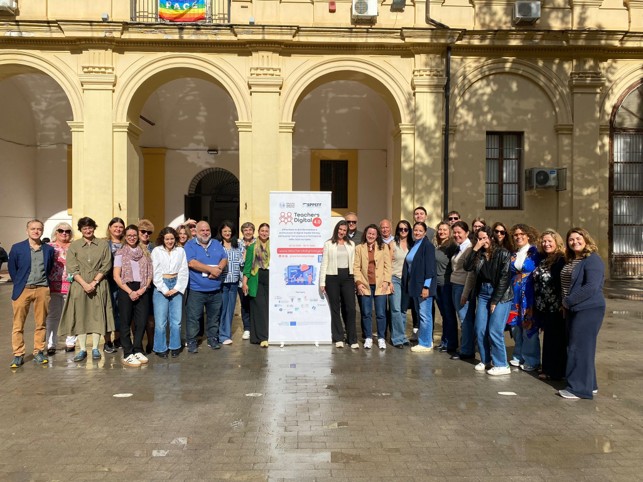
    On October 16–17, 2025, the third international meeting of the Erasmus+ project Teachers 4.0 Digital Age was held in Palermo. The event was organised by the University of Palermo under the coordination of Professor Gianna Cappello from the Department of Psychological, Educational and Human Movement Sciences (DSPPEFF), with the support of PhD candidates Paola Macaluso and Daniela Sortino. The initiative was carried out in collaboration with CESIE ETS and hosted by the Convitto Nazionale “G. Falcone” of Palermo, thanks to the kind availability of Prof. Concetta Giannino, Rector of the Convitto.

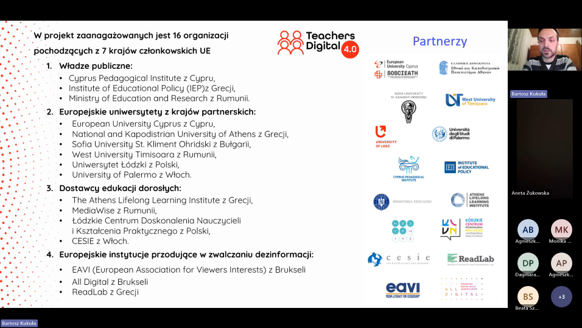
    The two-day event brought together 40 participants from partner universities and organisations from Cyprus, Greece, Bulgaria, Poland, Romania, Belgium, and Italy, who worked collaboratively on the development of the upcoming implementation steps as the project moves into its third year. The meeting also provided an important opportunity to highlight UNIPA’s contribution within the consortium. UNIPA led the production of the European University Curriculum for countering disinformation and promoting digital media literacy among pre-service and in-service teachers. Furthermore, last academic year, UNIPA already offered the curriculum as a course for university students enrolled in education programs. This year, the same course will again be provided to new students. UNIPA has also contributed to the development and validation of the project’s e-learning platform for in-service teachers.

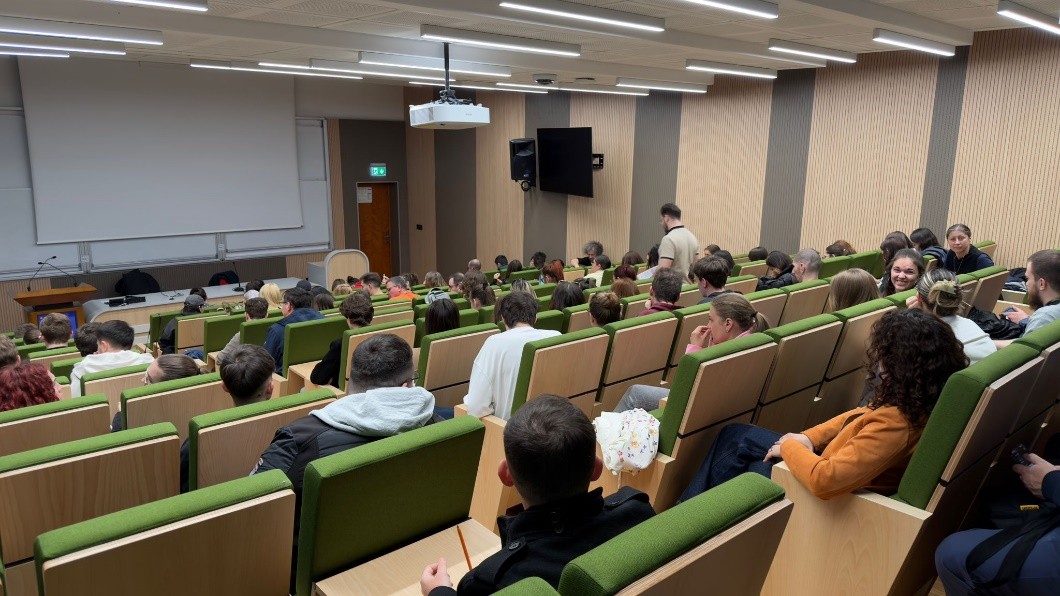
    Paola Macaluso and Daniela Sortino (from the UNIPA team) have presented the project and its open-access materials to Italian teachers and educators during two editions of the  Media Education Summer School of MED (the Italian Association for Media Education), The Italian team is currently engaging 200 in-service teachers and educators in a dedicated training pathway that will further support the transfer of project outcomes into everyday educational practice.

    Open access resources and project materials are available at: https://teachers4-0.eu

  • Teachers 4.0 Digital Curriculum: Available now to empower teachers in digital media literacy

    Teachers 4.0 Digital Curriculum: Available now to empower teachers in digital media literacy

    Digital literacy and tackling disinformation are among the top three digital skills needed for the 21st century. Teachers need to be equipped with the necessary knowledge and skills to empower their students to think critically, make informed choices online and stay safe whilst continuously building their resilience in the digital world.

    Teachers 4.0 Digital offers a large-scale capacity-building activity for initial training and continuous professional development of teachers and educators across Europe with a focus on Bulgaria, Cyprus, Greece, Italy, Poland and Romania.

    For the past one year of our project, 34 established academics from 9 European universities and institutions have been developing an exclusive and thorough University Course entitled ‘Tackling Disinformation and Promoting Digital Media Literacy through Education and Training’.

    Our comprehensive program spans 60 hours of immersive learning, divided into two parts:
    30 hours of hands-on instruction and 30 hours of self-guided exploration, offering a blend of theory and practical application.

    Drawing inspiration from the latest educational frameworks and the digital needs of tomorrow, the curriculum is divided into 10 dynamic modules that will unlock new possibilities for teaching in the digital world.

    Module 1 – Introduction
    Gain an insightful overview of the course, its objectives, and the powerful methodologies behind it.

    Module 2 – Disinformation: What Are We Talking About?
    Learn to distinguish disinformation, explore key concepts like participatory culture, echo chambers, and the filter bubble, and see how disinformation threatens democracy, democratic institutions, and equal digital participation.

    Module 3 – More Key Terms and Definitions
    Dive into essential digital media literacy terms like troll, phishing, cheapfake, deepfake, and verification. With an interactive glossary and hands-on activities, learners will not only grasp these concepts but also develop the skills to spot and tackle misinformation in the digital world.

    Module 4 – Setting the Scene for Teaching and Learning in the Digital School Environment
    Learn how to create a safe space for discussing sensitive topics and understand your role in guiding these important conversations with your students.

    Module 5Assessing and Evaluating Digital Media Literacy in Schools
    Gain practical tools and strategies to evaluate and enhance your students’ digital skills.

    Module 6 – Explore the Key Media Practices of Children and Students
    Learn why connecting with your students’ digital lives matters, and how their online experiences shape their worldviews. Discover a framework for analysing their media habits and interactive activities to help them reflect on their own media behaviors in a fun way!

    Module 7 – Teaching Digital Media Literacy and Disinformation
    Equip Students with critical media skills!Find out how to help students understand media texts, spot bias, use fact-checking techniques, and create responsible media, empowering them to become digital citizens.

    Module 8 – Building Digital Media Literacy Competences in the Classroom: Becoming Digital Citizens
    Explore how to equip students with essential digital media literacy skills, focusing on responsible online behavior, critical thinking, and safe digital practices.

    Module 9 – Students in All Their Diversity
    Gain insights on how to address diversity in the classroom, understanding its importance and how misinformation impacts different social groups. Practical activities are included to help engage students and foster inclusive learning environments.

    Module 10 – Practical Examples of Lesson Plans
    Learn about an instructional model to help teachers create effective lesson plans and offers practical examples that can be used, adapted, or serve as inspiration to guide students toward becoming responsible digital citizens.

    All the modules are accompanied by suggested teaching methods and tools suitable for our target group and consistent with the course goals.

    The Curriculum is available in 6 European languages: ENBGEL, ITPLRO.
    Follow us on LinkedInFacebookInstagram!