Author: Martina Natalini

  • Empowering students in educational sciences, the future teachers, with digital resilience

    Empowering students in educational sciences, the future teachers, with digital resilience

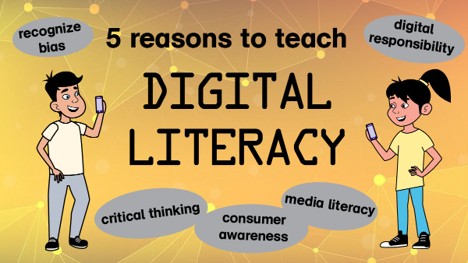
    Media literacy skills make it easier for us to find and identify relevant facts, analyze an issue from multiple angles and make informed decisions. By equipping us with tools to recognize and resist misinformation, media literacy helps us become active members of a free and democratic society and participate in public debate responsibly.

    Today’s students use social networks intensively and take advantage of the digital public sphere as a place for information, contestation, organization and debate, as well as a platform for political, social, educational and ethical struggles. They are also the most vulnerable target groups to misinformation and propaganda as they have not fully developed critical thinking skills and are prone to confusion and credulity. Media literacy education equips them with critical skill sets that enable them to quickly identify fake news, misinformation and propaganda. In a turbulent information ecosystem and participatory media culture, news literacy becomes an essential competence (Cernicova-Buca, Ciurel, 2022).

    Students who receive media literacy education gain numerous benefits. They develop strong critical thinking skills, enabling them to evaluate information and arguments effectively. This skill is transferable to other academic subjects and everyday life, making them better learners and informed citizens.

    Another benefit is enhanced communication skills. Media literacy education often involves creating and presenting media projects, which helps students improve their ability to express ideas clearly and persuasively. These skills are valuable in both academic settings and future careers (McDougall, 2019).

    Despite its importance, media literacy education faces several challenges. One significant challenge is the rapidly changing media environment. New platforms and technologies emerge frequently, making it difficult for educators to stay current. Continuous professional development and updated resources are essential for teachers to effectively teach media literacy.

    Another challenge is the varying levels of access to technology among students. Not all students have equal access to digital devices and the internet, which can create disparities in their media literacy education. Schools must address these gaps by providing the necessary resources and support to ensure all students have the opportunity to develop digital media literacy skills.

    In Romania, the Teachers 4.0 Digital project, in which West University of Timisoara (WUT) is a partner, aims to promote digital media literacy and combat misinformation with teachers, educators and students of educational sciences as target group. Teachers must have the knowledge and skills to enable their students to think critically, make informed choices online and stay safe, continuously developing their resilience in the digital world.

    Digital resilience aims to provide people with the skills, self-efficacy, and support systems they need to respond adaptively to challenges they may encounter online (Lee et. all., 2024). Building on psychological research that defines resilience as when individuals and communities “fare better than expected given adversity” (Troy et.all., 2023), efforts to promote digital resilience work to equip people with the knowledge they need to recognize and respond to online threats, such as misinformation, should they encounter them. Indeed, prior studies summarized by Roozenbeek et.all., (2021) have framed digital media literacy interventions as “a means to pre-emptively build resilience against anticipated exposure to misinformation,” instead of responding to false claims after they have already taken hold.

  • Teachers 4.0 Digital Project Meeting in Sofia: Our Curriculum to Support Teachers in Digital Media Literacy is Coming Out Soon!

    Teachers 4.0 Digital Project Meeting in Sofia: Our Curriculum to Support Teachers in Digital Media Literacy is Coming Out Soon!

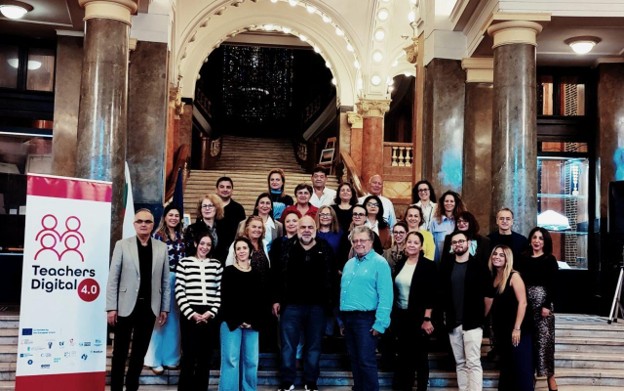
    The Teachers 4.0 Digital partners gathered in a two-day project meeting hosted by Sofia University St. Kliment Ohridski on 10-11for productive and inspiring exchanges to plan the next steps of our mission to empower teachers in digital media literacy.

    The main highlight of the meeting was the development of the Teachers 4.0 Digital curriculum that aims to guide teachers and educators in teaching digital media literacy to their students. The curriculum covers everything from understanding misinformation and cognitive biases to fostering digital citizenship and inclusivity in the classroom with real-world issues, practical tools, and adaptable lesson plans:

    • Introduction
    • Disinformation: What are we talking about?
    • More key terms and definitions
    • Setting the Scene: Teaching and learning in the digital school environment
    • Assessing and evaluating digital literacy in schools
    • Explore the key media practices of children and students
    • Teaching digital media literacy and disinformation
    • Building digital media literacy competencies in the classroom and school: becoming digital citizens
    • Students in all their diversity
    • Practical examples of lesson plans

    It will be available in 6 languages by the beginning of 2025: Bulgarian, English, Greek, Italian, Polish, and Romanian. The project meeting was an opportunity to align the efforts of the partners for translating and formatting the curriculum in an engaging way and getting ready to disseminate it widely.

    In the meantime, the development of our e-learning platform is going at full speed: The partners brainstormed during the meeting on how to offer the most accessible and user-friendly capacity-building experience through this platform. The platform will be launched in 2025 to upskill the primary and secondary school education teachers and educators in the project languages.

    Thanks to Sofia University St. Kliment Ohridski for their great hospitality and to all partners who joined us in Sofia.

  • Enhancing Digital Media Literacy: The case of Greece

    Enhancing Digital Media Literacy: The case of Greece

    The Teachers 4.0 Digital project consists a significant step towards promoting digital media literacy and tackling disinformation in the European region. This innovative initiative has been designed and implemented by a series of distinguished partners, including the National and Kapodistrian University of Athens (NKUA), the Institute of Educational Policy (IEP), the Athens Lifelong Learning Institute and ReadLab, that have joined forces on behalf of Greece. These key institutions, are determined to digitally upskills educators and their students, both on a national and a European level.

    An enhanced backing in digital competencies

    All Greek partners have a well-established track record in initiatives relating to various aspects of digital media literacy and combating disinformation, bringing invaluable expertise to the Teachers 4.0 Digital initiative. These institutions have managed to contribute significantly to a series of initiatives with similar objectives (such as the European Media Coach, the European Safe Online Initiative, the e-engAged, on behalf of the Athens Lifelong Learning Institute, the ENTICING project where IEP participated, the FutureAbility project by ReadLab etc.) and have been constantly working towards improving the digital skills of European citizens via various educational channels including initiatives such as the Europe 4.0 Digital Citizens and the TRANSFORM projects where the Athens Lifelong Learning Institute participated. Their participation and contribution to the Teachers 4.0 Digital project brings them one step closer to the aspiration of cultivating digital media literacy and modernizing the educational landscape according to the requirements of the digital age.

    How did Greece experience the process of digital transition?

    Greece still lags behind the European Union’s (EU) Digital Decade targets, despite the progress observed during the last five years. The late entrance of Greece into the digital transition process has left the country with serious structural weaknesses that need to be addressed urgently. According to the Digital Decade Report 2024, the percentage of people with a basic level of digital skills in Greece, accounts to 52.5% of the population in 2024, a percentage which is lower than the EU average of 55.6% for the same year. Another indicator for the relatively weak digital performance of Greece is the percentage of ICT specialists in terms of the share of employment, which accounted to 2,4% in 2024, half the EU average of 4,8%. These data attest that initiatives such as the Teachers 4.0 Digital are needed more than ever, in order to bridge the gap with the current and the desirable level of the country’s digital competencies.

    Currently, the focus of the relevant stakeholders has shifted to the digital upskilling of the general public, which respectively will improve the country’s performance. The Teachers 4.0 Digital project contributes significantly to this effort as it equips educators with the necessary knowledge and resources, in order to promote and ensure a digitally literate society.

    The Role of Greek Partners in the Teachers 4.0 Digital Project – Current Steps

    The presence of the Greek partners in this European project means that its beneficial results will reach Greece, and contribute positively to the national digital objectives. Among them, the Athens Lifelong Learning Institute is a leading expert in media literacy initiatives, offering programs to enhance digital and media literacy skills, combat misinformation, and promote inclusive media literacy. They focus on intergenerational learning and collaborate with various organizations to advance digital and media literacy in Greece and in Europe. Their expertise and commitment to promoting media literacy contribute to a more informed and engaged society.

    Achieving a Milestone: The Teachers 4.0 Digital Curriculum

    The project consortium has just concluded the development of the Teachers 4.0 Digital Curriculum, along with its supplementary material, which marks a crucial milestone for the development of the project. This ambitious educational resource will provide the educators with a structured framework that will pave the way on how to foster a digitally literate and resilient society, starting from educational spaces. This comprehensive Curriculum has been designed to be taught in the context of a University Course in six European Universities and through an interactive eLearning platform that specifically caters to the needs of the in-service teaching personnel.

    The Athens Lifelong Learning Institute along with ReadLab, have undertaken the task of designing and developing the e-Learning Platform that will maximize the reach and impact of the Teachers 4.0 Digital project. This platform will equip educators with a structured framework, in order to empower students and foster a digitally literate and resilient society.

    One step closer to bridging the digital gap in Greece

    The Teachers 4.0 Digital project functions as a catalyst for change, that adds up to similar projects, with the potential to impact the digital and media literacy landscape in Europe and in Greece. Ultimately, its success will be measured through its impact on students. Cultivating students with strong digital media literacy skills will lead to resilient, active and engaged citizens of the future. In order to do so, the project remains active within a wide spectrum of key areas, including: the digital upskilling of educators, the fight against disinformation and the establishment of a digitally inclusive European society.

    A collaborative approach

    The Teachers 4.0 Digital project has become a member of multiple partnerships, engaging a variety of stakeholders, including: educators, organizations, policymakers etc. This subsequently facilitates the construction of a network of partners devoted to promoting and ensuring that Europe is and remains digitally literate.

    In order to attract the interest of more stakeholders and disseminate the project aim and results, the partnership has organized a series of events, such as workshops, webinars and conferences. These events represent a valuable opportunity for relevant target groups to expand their knowledge on the project, to share their experience and recommend best practices that could be applied in the context of digital literacy education.

    The future of digital literacy education in Europe

    As the Teachers 4.0 Digital project evolves, its main focus will remain revolving around the subject of the digital upskilling of its target groups. The implementation of a series of pilot programs, will enable the partnership to practically test the effectiveness of the educational material and the e-Learning platform that have been developed. In their own turn, these pilots will provide the partnership with useful insights into the deliverables’ effectiveness and on what adaptations are needed in order to maximize their positive results.

    The project, throughout its lifetime, will promote digital-friendly policies in both national and European context. It’s not a limited educational initiative, but rather a movement that will help the citizens of Europe to prepare themselves for the challenges and opportunities presented by the digital age. 

  • Building Digital Resilience: How Teachers 4.0 Digital Expands Mediawise Society’s Mission to Strengthen Democracy

    Building Digital Resilience: How Teachers 4.0 Digital Expands Mediawise Society’s Mission to Strengthen Democracy

    Author: Anca Velicu

    The global rise of digital technologies, disinformation, and declining trust in democratic institutions presents significant challenges to educators. Teachers must now adapt their methods to equip students with the skills necessary to navigate an ever-changing world. The Teachers 4.0 Digital project, aimed at upskilling educators in media and digital literacy while teaching students how to recognise disinformation, stands at the heart of these challenges.

    Although, undoubtedly, disinformation is a global threat, some countries are more vulnerable than others and, among European countries, Romania seems to qualify as one of the most vulnerable. Thus, Romania’s low rates of digital and media literacy present significant challenges for its citizens and society. In 2023, only 28% of Romanians aged 16 to 74 had basic digital skills, lagging far behind the EU average of 55% (Eurostat, 2024). Moreover, the European Media Literacy Index 2023 ranked Romania fourth out of five clusters, indicating low levels of media literacy (Lessenski, 2023). This lack of digital and media education may very well be one of the contributing factors to the spread of disinformation and social polarization.

    Given its history of state-controlled media and propaganda, Romania faces important challenges in cultivating a critical and informed citizenry. Media education projects, such as Teachers 4.0 Digital, are therefore essential to equip individuals with the skills to navigate a complex media landscape and be able to discern between reliable and biased information. Nicoleta Fotiade, founder and president of Mediawise Society, after experiencing European partnerships in media education over 20 years span, says: “These types of European partnerships help promote media literacy education at different ages and educational levels and encourage media users to practice their critical thinking skills, the most constructive way so far to downplay the spread of disinformation online and offline.”

    These projects can help counter the legacy of ex-communist countries and promote media literacy, fostering a more resilient and democratic society, fighting against the pervasive influence of disinformation and propaganda (Lessenski, 2023).

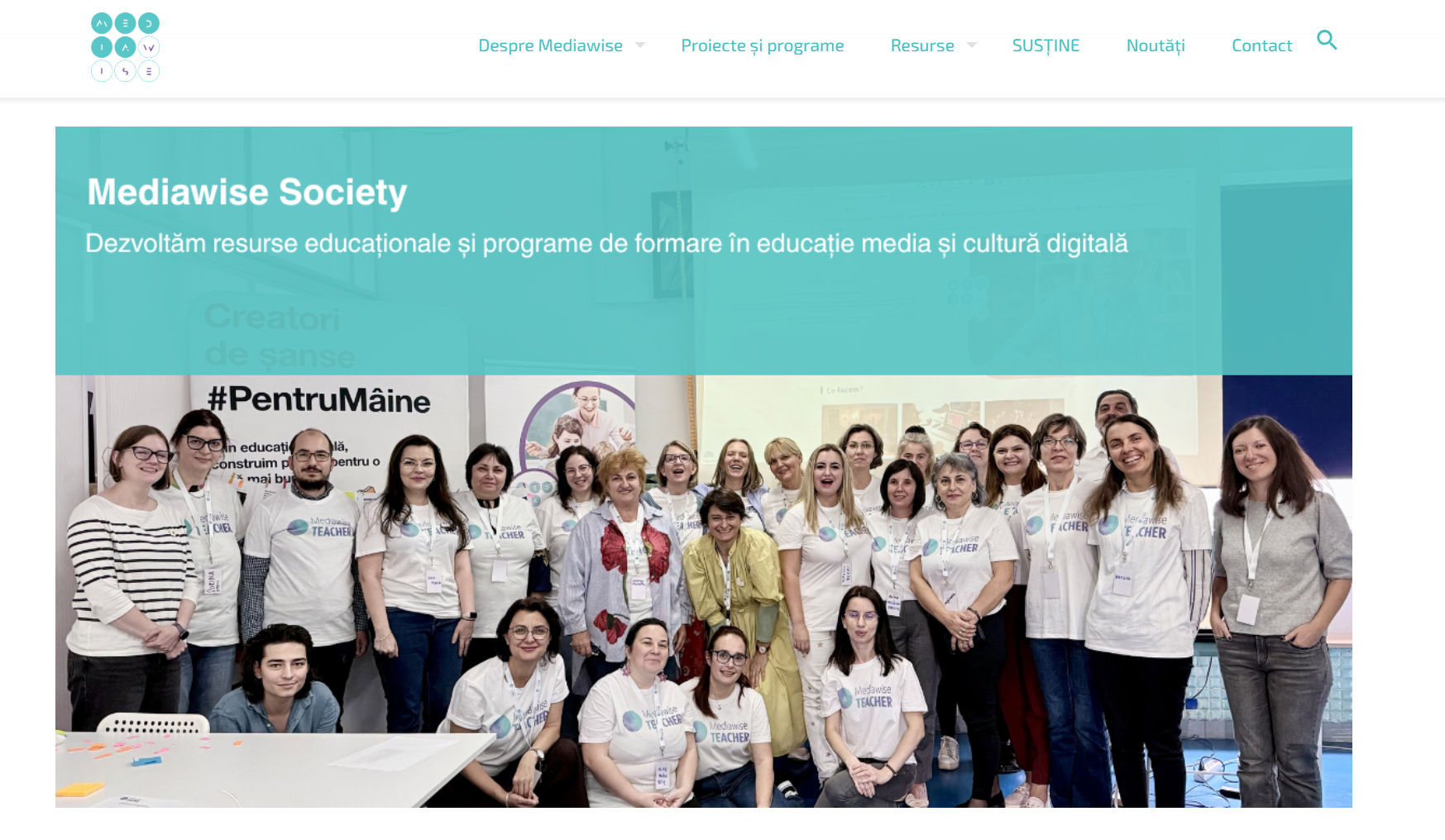
    In this context, the experience of Mediawise Society, one of the Romanian partners in the project, is of paramount importance. This article explores how Mediawise Society’s past and current projects can inform and support the objectives of Teachers 4.0 Digital. Focusing on three projects that Mediawise Society has been developing (namely Changing Democracy, Mind Over Media and Mediawise Teachers), we’ll showcase how its decade-long work on democracy, media influence, propaganda, and media literacy synergizes with the Teachers 4.0 Digital initiative. Ultimately, this article argues that Teachers 4.0 Digital fits perfectly into Mediawise’s ongoing mission and teaching and training programs to build and empower a national community of media educators equipped to promote and protect civic and democratic values in Romania while teaching media education.

    Changing Democracies and Teachers 4.0 Digital

    The Changing Democracies project (2023-2025, funded by the EU’s CERV programme) aims to foster a deeper understanding of the democratic crisis by examining Europe’s history with communism, dictatorship, resistance, and democratic transitions. By interviewing witnesses and offering educational resources, this project encourages reflection on democracy’s current state and explores how active citizenship can be nurtured.

    Several valuable lessons from Changing Democracies are directly applicable to Teachers 4.0 Digital. One such lesson is using historical context to foster critical thinking. By understanding the transitions from authoritarianism to democracy, educators can help students recognize how fragile democracy can be. This understanding can be incorporated into the Teachers 4.0 Digital curriculum to highlight present-day threats to democracy, drawing parallels between past and current challenges.

    In an age of rising polarization and authoritarian tendencies, this type of historical literacy is vital. By understanding the roots of democratic decline, students can develop critical thinking skills that are essential for identifying extremist propaganda in the digital age.

    Mind Over Media and Teachers 4.0 Digital

    Mind Over Media (2016-2020, funded by the EC DG Connect) tackled the pervasive influence of modern propaganda and emphasized the need for education that helps individuals recognize and respond to it. Today, propaganda is more subtle and omnipresent, making it crucial for students to develop critical thinking skills.

    Key intersections between Mind Over Media and Teachers 4.0 Digital include the focus on critical thinking and media literacy. Mind Over Media teaching methods and educational materials engage students in discussions about propaganda, providing an ideal foundation for Teachers 4.0 Digital, which aims to foster digital literacy and recognize and take action against disinformation in today’s media-saturated environment. The approaches and tools developed in Mind Over Media can be seamlessly integrated into the Teachers 4.0 Digital curriculum, equipping students and teachers alike with the skills to resist manipulation and disinformation.

    Additionally, both projects recognize the critical role educators play in shaping students’ understanding of media, media use and democracy. By empowering teachers with knowledge and pedagogical tools, Mind Over Media laid the groundwork for Teachers 4.0 Digital, which seeks to further prepare teachers to guide students through the complexities of digital citizenship and media consumption.

    MEDIAWISE4all and Teachers 4.0 Digital

    Starting 2023, MEDIAWISE4all is the pivotal leadership programme of Mediawise Society aiming at developing a community of media educators (teachers, trainers and even librarians or any other educational professionals) to integrate media education in formal and non-formal teaching contexts across Romania. So far, in order to achieve this ambitious scope in a context where very few media educators have training experience in Romania, the programme focuses on two main components: Mediawise Community (Training of Trainers) and Mediawise Teachers Professional Development Component.

    The Mediawise Community targets professionals such as librarians, NGO workers, and educators, providing training contexts to learn how to teach media education. While Mediawise Teachers focuses specifically on the professional development of primary, secondary, and high school teachers, helping them integrate media education across curriculum. By co-creating learning scenarios, this programme encourages educators to foster critical media engagement in their classrooms with the support of an integrated mentorship scheme during the whole school year.

    The foundation laid by MEDIAWISE4all aligns directly with Teachers 4.0 Digital, which shares the mission of empowering educators with the skills and knowledge needed to foster critical thinking, media literacy, and digital resilience among students. The Teachers 4.0 Digital project builds on MEDIAWISE4all’s legacy by providing a specialised focus on recognizing disinformation in the digital media.

    Mediawise Society’s Role in Teachers 4.0 Digital

    The Teachers 4.0 Digital project fits seamlessly into Mediawise Society’s decade-long efforts to promote media literacy and strengthen democratic values. Through initiatives like Changing Democracies, Mind Over Media, and MEDIAWISE4all, Mediawise has been creating a community of educators prepared to tackle disinformation and media manipulation.

    Together, these projects demonstrate the critical role that media literacy education plays in supporting a healthy democracy, showing how the Teachers 4.0 Digital project enhances and continues Mediawise Society’s mission to create a strong community of media educators in Romania.

    References

    Eurostat (2024). Digital skills in 2023: impact of education and age (22 February). https://ec.europa.eu/eurostat/web/products-eurostat-news/w/ddn-20240222-1#:~:text=In%202023%2C%2055%25%20of%20people,Netherlands%20to%2028%25%20in%20Romania.

    Lessenski, M. (2023). “Bye, bye, birdie”: Meeting the Challenges of Disinformation. The Media Literacy Index 2023. Policy Brief. Sofia, Open Society Institute – Sofia (June) Retrieved from https://osis.bg/wp-content/uploads/2023/06/MLI-report-in-English-22.06.pdf.


  • Back to work after the summer break: Check out our new project leaflet!

    Back to work after the summer break: Check out our new project leaflet!

    The Teachers 4.0 Digital project proudly completed its first nine months on its mission to launch a large-scale capacity- building activity for initial training and continuous professional development of teachers and educators on digital media literacy in a selection of countries that need to bridge this gap: Bulgaria, Cyprus, Greece, Italy, Poland and Romania.

    During this time, our partners worked on the development of a comprehensive curriculum to guide teachers and educators on how to help their students gain the necessary skills to thrive in the digital age. As the summer break is just over, we are looking forward to the finalisation of the curriculum and development of our e-learning platform so that we can launch our courses by the end of the year!

    We invite you to check out our new project leaflet to have a quick idea about what we are working on.

  • New School Curricula in Greece Embrace Digital Media Literacy

    New School Curricula in Greece Embrace Digital Media Literacy

    During the school years 2021-2022 and 2022-2023, one of the Teachers 4.0 Digital project partners, the Institute of Educational Policy (IEP) proceeded with the implementation of the action “Pilot Implementation of Curricula in Primary and Secondary Education”. This action was carried out within the framework of the Actions “Upgrading of Curricula and Creation of Educational Materials in Primary and Secondary Education” and “Training of Teachers in Curricula and Educational Materials in Primary and Secondary Education”.

    At all levels of education, from pre-school to secondary education, the term digital media literacy has become an integral part of curricula in many countries around the world, starting from the early stages of education. In an era of constant technological developments, the need to develop critical thinking and discern reliable information is imperative. The overload of information and news often creates confusion, making the ability to filter and evaluate the necessary sources.

    In this context, teachers and students need to be prepared with the relevant knowledge and skills to develop critical thinking and assess the validity of information. Combating misinformation requires technology and media training from the earliest school level in order to combine information and news literacy. Through the new curricula for primary and secondary education, the need to cultivate the ability of each individual to approach new information and communication technologies (ICT) critically is highlighted.

    Digital literacy encompasses a wide range of skills that students need to master, and relates to the use of ICT for:

    1. Searching, collecting, evaluating and managing information from various sources.

    2. Creating digital content and new information.

    3. Communicating and sharing information with others in order to build knowledge and solve problems.

    The concept of information literacy is complementary to digital literacy and involves a deep knowledge of basic concepts of information technology and the operation of computer technology. In modern curricula, both digital and information literacy are considered to be subjects of similar importance to language, mathematics and science literacy. The curriculum of the course “Computer Science and Information and Communication Technologies (ICT)” adopts the philosophy of the Interdisciplinary Integrated Curriculum Framework from pre-school to high school and is based on modern scientific research and teaching approaches, emphasizing cross-cutting principles such as inclusion and enhancing the participation of all students in Computer Science. In addition, it promotes education with respect for diversity and cultures, the connection of the course with the real world and everyday life, pedagogical flexibility and openness (freedom from dependence on specific technologies, tools and platforms), as well as exploration, collaboration and interdisciplinarity. Finally, the curriculum of this course follows a set of specific principles, aiming to form the basis for the education of the future citizens of our country (IEP, 2021b).

    Educational activities related to digital and information literacy include the exposure of students to digital technologies and information technology, as well as the understanding of their role in modern society and culture. From 2021, the compulsory timetables of all Kindergartens, Primary and Secondary Schools will also include Skills Workshops 21+, which aim to enhance the cultivation of life, technology and science skills.

    Skills Workshops are an innovative teaching and learning activity, which introduces new thematic units with an emphasis on skills. Their basic principle is to link the curriculum’s field of knowledge with the development of students’ basic skills in order to shape responsible citizens. Skills are grouped and cultivated in four targeting cycles:

    1. 21st century skills.

    2. Life skills.

    3. Technology, engineering and science skills.

    4. Skills of the mind.

    The technology skills category includes workshops that develop digital and information literacy skills, technological literacy and safe internet navigation skills.

    Our students are part of a global digital community, where they are daily exposed to news and information that needs to be evaluated for quality. The goal is for students, as consumers and creators of information, to acquire critical thinking and digital literacy skills, making them responsible citizens in the global digital community. Digital competences are essential in all aspects of life, whether social, personal, professional or leisure. The digital divide creates conditions of exclusion and a democratic deficit, as it does not allow equal access for citizens. Developing digital literacy improves citizenship and is a key objective for a modern democratic society.

    The IEP and the Teachers 4.0 Digital Age

    IEP is a scientific and research institution that supports the Ministry of Education, Religious Affairs and Sports (MTEF) in primary and secondary education, teacher training and addressing educational inequalities. IEP participates in the Teachers 4.0 Digital project, which offers teachers in Greece the opportunity to be trained in digital literacy and countering misinformation. This project is an important opportunity for the professional development of teachers, enhancing their digital literacy and critical thinking skills. They will in turn act as multipliers of knowledge, transferring it in a constructive way to their colleagues for use in classrooms.

    Teachers 4.0 Digital empowers teachers in primary and secondary schools across Europe, promoting digital media literacy and tackling misinformation. This is a large-scale activity focused mainly in Bulgaria, Cyprus, Greece, Italy, Poland, Cyprus, Greece and Romania.

    References:

    Εργαστήρια Δεξιοτήτων. Ινστιτούτο Εκπαιδευτικής Πολιτικής. https://iep.edu.gr/el/psifiako-apothetirio/skill-labs 

    Ινστιτούτο Εκπαιδευτικής Πολιτικής (2021). Πρόγραμμα Σπουδών για το μάθημα Πληροφορική και Τεχνολογίες της Πληροφορίας και Επικοινωνιών Δημοτικού. https://iep.edu.gr/el/nea-ps-provoli

    Νέα Προγράμματα Σπουδών – Αρχική σελίδα. Ινστιτούτο Εκπαιδευτικής Πολιτικής. https://iep.edu.gr/el/nea-programmata-spoudon-arxiki-selida 

    Παπαδημητρίου, Σ. (2016). Εγγραμματισμός στα Μέσα: Προσεγγίζοντας το Σχολείο του 21ου Αιώνα. Στα Πρακτικά του 1ου Πανελληνίου Συνεδρίου «Προγράμματα Σπουδών – Σχολικά εγχειρίδια: Από το παρελθόν στο παρόν και το μέλλον». Αθήνα, 2016.

  • Digital literacy in Greece through the new Curricula

    Digital literacy in Greece through the new Curricula

    During the school years 2021-2022 and 2022-2023, the Institute of Educational Policy (IEP) proceeded with the implementation of the action “Pilot Implementation of Curricula in Primary and Secondary Education”. This action was carried out within the framework of the Actions “Upgrading of Curricula and Creation of Educational Materials in Primary and Secondary Education” and “Training of Teachers in Curricula and Educational Materials in Primary and Secondary Education”. At all levels of education, from pre-school to secondary education, the term digital literacy has become an integral part of curricula in many countries around the world, starting from the early stages of education. In an era of constant technological developments, the need to develop critical thinking and discern reliable information is imperative. The overload of information and news often creates confusion, making the ability to filter and evaluate sources necessary. In this context, teachers and students need to be prepared with the necessary knowledge and skills to develop critical thinking and assess the validity of information. Combating misinformation requires technology and media training from the earliest school level in order to combine information and news literacy. Through the new curricula for primary and secondary education, the need to cultivate the ability of each individual to approach new information and communication technologies (ICT) critically is highlighted. Digital literacy encompasses a wide range of skills that students need to master, and relates to the use of ICT for: 1.         Searching, collecting, evaluating and managing information from various sources. 2.         Creating digital content and new information. 3.         Communicating and sharing information with others in order to build knowledge and solve problems.

    The concept of information literacy is complementary to digital literacy and involves a deep knowledge of basic concepts of information technology and the operation of computer technology. In modern curricula, both digital and information literacy are considered to be subjects of similar importance to language, mathematics and science literacy. The curriculum of the course “Computer Science and Information and Communication Technologies (ICT)” adopts the philosophy of the Interdisciplinary Integrated Curriculum Framework from pre-school to high school and is based on modern scientific research and teaching approaches, emphasizing cross-cutting principles such as inclusion and enhancing the participation of all students in Computer Science. In addition, it promotes education with respect for diversity and cultures, the connection of the course with the real world and everyday life, pedagogical flexibility and openness (freedom from dependence on specific technologies, tools and platforms), as well as exploration, collaboration and interdisciplinarity. Finally, the curriculum of this course follows a set of specific principles, aiming to form the basis for the education of the future citizens of our country (IEP, 2021b).

    Educational activities related to digital and information literacy include the exposure of students to digital technologies and information technology, as well as the understanding of their role in modern society and culture. From 2021, the compulsory timetables of all Kindergartens, Primary and Secondary Schools will also include Skills Workshops 21+, which aim to enhance the cultivation of life, technology and science skills (ΦΕΚ 3567/04.08.21_ Πλαίσιο Προγράμματος Σπουδών Εργαστηρίων δεξιοτήτων). Skills Workshops are an innovative teaching and learning activity, which introduces new thematic units with an emphasis on skills. Their basic principle is to link the curriculum’s field of knowledge with the development of students’ basic skills in order to shape responsible citizens. Skills are grouped and cultivated in four targeting cycles:
    1. 21st century skills.
    2. 21st century life skills.
    3. Technology, engineering and science skills.
    4. Skills of the mind.
    The technology skills category includes workshops that develop digital and information literacy skills, technological literacy and safe internet navigation skills.

    Our students are part of a global digital community, where they are daily exposed to news and information that needs to be evaluated for quality. The goal is for students, as consumers and creators of information, to acquire critical thinking and digital literacy skills, making them responsible citizens in the global digital community. Digital competences are essential in all aspects of life, whether social, personal, professional or leisure. The digital divide creates conditions of exclusion and a democratic deficit, as it does not allow equal access for citizens. Developing digital literacy improves citizenship and is a key objective for a modern democratic society.

    The IEP and the Teachers 4.0 Digital Age
    The Institute of Education Policy (IEP) is a scientific and research institution that supports the Ministry of Education, Religious Affairs and Sports (MTEF) in primary and secondary education, teacher training and addressing educational inequalities. IEP participates in the Teachers 4.0 Digital project, which offers teachers in Greece the opportunity to be trained in digital literacy and countering misinformation. This project is an important opportunity for the professional development of teachers, enhancing their digital literacy and critical thinking skills. They will in turn act as multipliers of knowledge, transferring it in a constructive way to their colleagues for use in classrooms.
    Teachers 4.0 Digital empowers teachers in primary and secondary schools across Europe, promoting digital literacy and tackling misinformation in their classrooms. This is a large-scale activity focused mainly in Bulgaria, Cyprus, Greece, Italy, Poland, Cyprus, Greece and Romania.

    References:
    Εργαστήρια Δεξιοτήτων. Ινστιτούτο Εκπαιδευτικής Πολιτικής. https://iep.edu.gr/el/psifiako-apothetirio/skill-labs 
    Ινστιτούτο Εκπαιδευτικής Πολιτικής (2021). Πρόγραμμα Σπουδών για το μάθημα Πληροφορική και Τεχνολογίες της Πληροφορίας και Επικοινωνιών Δημοτικού. https://iep.edu.gr/el/nea-ps-provoli
    Νέα Προγράμματα Σπουδών – Αρχική σελίδα. Ινστιτούτο Εκπαιδευτικής Πολιτικής. https://iep.edu.gr/el/nea-programmata-spoudon-arxiki-selida 
    Παπαδημητρίου, Σ. (2016). Εγγραμματισμός στα Μέσα: Προσεγγίζοντας το Σχολείο του 21ου Αιώνα. Στα Πρακτικά του 1ου Πανελληνίου Συνεδρίου «Προγράμματα Σπουδών – Σχολικά εγχειρίδια: Από το παρελθόν στο παρόν και το μέλλον». Αθήνα, 2016.

  • Digitalization, its Challenges to Education, and Possible Responses: The Case of Teachers 4.0 Digital project

    Digitalization, its Challenges to Education, and Possible Responses: The Case of Teachers 4.0 Digital project

    Digitalization presents the world with new opportunities, but also with significant challenges. Digital technologies can have both beneficial and adverse effects on their users. This dual nature is encapsulated by the term “pharmakon”, as described by contemporary thinker of technology Bernard Stiegler (2010; 2012), since in Greek, pharmakon denotes both a poison and a cure, reflecting thus the dual characteristics of digital technologies.

    Stiegler’s work offers valuable insights on the impact of digitalization on education and society. He argues that digital technologies transform not only the way we access information but also the very fabric of our cognitive and social structures. For this reason, Stiegler (2010; 2012) emphasizes the need for a critical approach to digital literacy that goes beyond the mere teaching of technical skills to include an understanding of the broader implications of digital technologies. This perspective aligns with the main objectives of the Teachers 4.0 Digital project.

    For this reason, this article relies on the thought of Bernard Stiegler in order to explore:
    a) the nature of digitalization,
    b) the challenges digitalization poses for education and educators (with an emphasis on misinformation and disinformation),
    c) the alignment of these challenges with the aims of the Teachers 4.0 Digital project, and
    d) the Cyprus Pedagogical Institute’s (CPI) involvement in the Teachers 4.0 Digital project.
     
    A) The Nature of Digitalization
     
    Digital tools offer numerous opportunities and challenges for education. The simplest effect of digital tools is their ability to convert analog information into more accessible digital formats, a process known as digitization.

    Digitalization, however, is a broader phenomenon involving the restructuring of environments, processes, objects, interactions, and behaviors through the creation and use of digital tools. Digitalization offers increased accessibility and connectivity, leading to greater efficiency and productivity, and new opportunities for data management, analysis, personalization, remote work, learning, and healthcare. Digitalization fosters innovation and creativity by providing new ways to create, share, and collaborate on content. Digital tools also enable interactive and user-friendly services that improve user satisfaction and engagement, provide 24/7 services and support, and facilitate online learning platforms that make education accessible to a broader audience through interactive and engaging experiences using multimedia and gamification.

    The benefits of digitalization rely on characteristics such as increased accessibility, connectivity, speed, automation, and enhanced information storage. These characteristics interact between them to create new human environments and processes. For instance, the material book, a traditional technology, stores specific information and conditions the reader’s time and thinking patterns. Similarly, digital technologies, or “mnemotechnologies,” as Stiegler (2010; 2012) calls them, store memories and are available anywhere at any time, having thus a dual nature: they can enhance cognitive capabilities but also pose risks for human cognition.
     
    B) The Challenges Digitalization Poses for Education and Educators
     
    Misinformation and disinformation are significant challenges related to digitalization. Digital mnemotechnologies accelerate the production and dissemination of information, which can enhance knowledge sharing but also lead to information overload and difficulties in discerning credible sources from disinformation. This highlights the importance of carefully designed digital literacy educational programs and the crucial role of educators.

    The role of educators is both difficult and important because education takes place in a society already conditioned by digitalization. Educators thus need to understand how digitalization affects their world and how their students’ worlds possibly differ from their own. Furthermore, educators must find innovative ways to teach about and through digitalization, help students critically understand it, and encourage critical thinking in general. Educators must therefore explore the pharmacological potential of digitalization – that is, the possibility for smart and creative uses – with their students.

    An example of such exploration could take place with the case of large language models like Generative Pre-trained Transformer 4 (GPT-4), which can potentially automate students’ thinking processes. Educators should respond to this by cultivating skills for critically understanding such technology, addressing ontological concerns (what is the nature of this technology) and ethical concerns (what should one do with such technology).

    Such approach is quite aligned with disclosive ethics that is not simply invested in the investigation of possible uses of technology but also in the ‘deciphering of embedded values and norms in computer systems, applications and practices’ (see Brey 2000, 10). Teachers then should encourage students to think of digital objects as ‘culturally-embedded artefacts’ (Falloon, 2020, 2457), which carry not only affordances but also diverse values and even biases, and experiment with new, thought-provoking questions, ones not already questioned.
     
    C) Teachers 4.0 Digital Project
     
    As already discussed, the digital age presents significant challenges for educators worldwide. In response, the Teachers 4.0 Digital Project, run under the auspices of the European Union, aims to create a comprehensive framework for digital literacy and critical thinking in European classrooms. The project aims to:

    Develop a comprehensive curriculum that will guide teachers and educators in the ways they may teach their students the necessary skills to thrive in the digital age.

    Design a University course on the topic of combating disinformation and digital literacy: In addition to integrating elements of digital literacy into all initial teacher education courses, a specific course on combating disinformation, building resilience, as well as digital and information literacy will be developed as a separate course.

    Develop an e-Learning platform for the upskilling of thousands of primary and secondary school education teachers and educators that will offer the Teachers 4.0 Digital course in a blended learning format in six European languages: Bulgarian, English, Greek, Italian, Polish and Romanian.

    As evident the project employs various strategies to equip preservice and in-service teachers with knowledge and skills (see Hobbs, 2017). It will thus offer a curriculum with specially designed modules for preservice teachers’ education and for in-service teachers’ training accordingly, and an e-learning platform for collaboration and interaction, giving emphasis to both skills and cultural practices involving digital tools. The education provided by the project will help both current and future teachers to offer their students key skills, knowledge and attitudes for the development of their digital competence (European Commission, 2019).
     
    D) The CPI’s involvement with the Teachers 4.0 Digital project

    The Cyprus Pedagogical Institute (CPI)
    , particularly its In-Service Training Department, has evolved its approach to teachers’ professional growth over the past decade. The focus has shifted from traditional top-down methodologies of “teacher training” and “professional development” to more dynamic “professional learning” programs (Eracleous et al., 2020). This new approach promotes educational models that enhance teachers’ professional autonomy, initiative, and capacity for change (Kennedy, 2014). As a result, teachers’ professional learning has increasingly become school-based, incorporating action research, lesson study and quality-teaching methodologies (Eracleous et al., 2020). It also emphasizes the establishment of learning and professional communities and school networks.

    CPI’s participation in the Teachers 4.0 Digital project presents a significant opportunity to enhance the digital literacy and critical thinking skills of participating educators. By providing comprehensive professional learning, a relevant curriculum, and valuable resources and tools, the project will enable Cypriot teachers to effectively teach matters of digital literacy and tackling disinformation (vertically and transversally) in their classrooms. This, in turn, will empower teachers to provide students with educational experiences that foster discernment and resilience in the digital age, contributing to a more informed and resilient society.

    For more information, check out the Teachers 4.0 Digital project website.

    Interested in staying in touch with Teachers 4.0 Digital for future news, events and learning opportunities?
    Subscribe to our newsletter and follow us on LinkedIn, Facebook, Instagram!


    References
    Brey, Ph. (2000). Disclosive computer ethics. Computers and Society, 30 (4):10-16.
     
    Eracleous, M., Kouppanou, A., Paparistodemou, E., Pitzioli, M., Savva, P., Stavrou, H., & Hadjitheodoulou-Loizidou, P. (2020). Teachers’ Professional Learning Programme in Schools. A Guide for Planning, Implementation and Support. Nicosia: Cyprus Pedagogical Institute.
     
    Falloon, G. (2020) From digital literacy to digital competence: the teacher digital competency (TDC) framework. Education Tech Research and Development, 68 :2449–2472, https://doi.org/10.1007/s11423-020-09767-4.
     
    Hobbs, R. (2017). Approaches to teacher professional development in digital media literacy education. In B. De Abreu, P. Mihailidis, A. Lee, J. Melki & J. McDougall (Eds), International Handbook of Media Literacy Education (pp. 88 – 113). New York: Routledge.
     
    Kennedy, A. (2014). Models for continuing professional development: a framework for analysis. Professional Development in Education, 40(3), 336–351.
     
    Stiegler, B. (2010). Taking Care of Youth and the Generations. Stanford University Press.
     
    Stiegler, B. (2012). States of Shock: Stupidity and Knowledge in the 21st Century. Polity Press.
     
    Teachers4digital (n.d.). project. https://teachers4digitalage.eu/en/project/ (accessed 18 June 2024).

    European Commission, Directorate-General for Education, Youth, Sport and Culture (2019). Key competences for lifelong learning. Publications Office. https://data.europa.eu/doi/10.2766/569540 (accessed 18 June 2024)

  • Digitalization, its Challenges to Education, and Possible Responses: The Case of Teachers 4.0 Digital project

    Digitalization, its Challenges to Education, and Possible Responses: The Case of Teachers 4.0 Digital project

    Digitalization presents the world with new opportunities, but also with significant challenges. Digital technologies can have both beneficial and adverse effects on their users. This dual nature is encapsulated by the term “pharmakon”, as described by contemporary thinker of technology Bernard Stiegler (2010; 2012), since in Greek, pharmakon denotes both a poison and a cure, reflecting thus the dual characteristics of digital technologies.

    Stiegler’s work offers valuable insights on the impact of digitalization on education and society. He argues that digital technologies transform not only the way we access information but also the very fabric of our cognitive and social structures. For this reason, Stiegler (2010; 2012) emphasizes the need for a critical approach to digital literacy that goes beyond the mere teaching of technical skills to include an understanding of the broader implications of digital technologies. This perspective aligns with the main objectives of the Teachers 4.0 Digital project.

    For this reason, this article relies on the thought of Bernard Stiegler in order to explore:
    a) the nature of digitalization,
    b) the challenges digitalization poses for education and educators (with an emphasis on misinformation and disinformation),
    c) the alignment of these challenges with the aims of the Teachers 4.0 Digital project, and
    d) the Cyprus Pedagogical Institute’s (CPI) involvement in the Teachers 4.0 Digital project.
     
    A) The Nature of Digitalization
     
    Digital tools offer numerous opportunities and challenges for education. The simplest effect of digital tools is their ability to convert analog information into more accessible digital formats, a process known as digitization.

    Digitalization, however, is a broader phenomenon involving the restructuring of environments, processes, objects, interactions, and behaviors through the creation and use of digital tools. Digitalization offers increased accessibility and connectivity, leading to greater efficiency and productivity, and new opportunities for data management, analysis, personalization, remote work, learning, and healthcare. Digitalization fosters innovation and creativity by providing new ways to create, share, and collaborate on content. Digital tools also enable interactive and user-friendly services that improve user satisfaction and engagement, provide 24/7 services and support, and facilitate online learning platforms that make education accessible to a broader audience through interactive and engaging experiences using multimedia and gamification.

    The benefits of digitalization rely on characteristics such as increased accessibility, connectivity, speed, automation, and enhanced information storage. These characteristics interact between them to create new human environments and processes. For instance, the material book, a traditional technology, stores specific information and conditions the reader’s time and thinking patterns. Similarly, digital technologies, or “mnemotechnologies,” as Stiegler (2010; 2012) calls them, store memories and are available anywhere at any time, having thus a dual nature: they can enhance cognitive capabilities but also pose risks for human cognition.
     
    B) The Challenges Digitalization Poses for Education and Educators
     
    Misinformation and disinformation are significant challenges related to digitalization. Digital mnemotechnologies accelerate the production and dissemination of information, which can enhance knowledge sharing but also lead to information overload and difficulties in discerning credible sources from disinformation. This highlights the importance of carefully designed digital literacy educational programs and the crucial role of educators.

    The role of educators is both difficult and important because education takes place in a society already conditioned by digitalization. Educators thus need to understand how digitalization affects their world and how their students’ worlds possibly differ from their own. Furthermore, educators must find innovative ways to teach about and through digitalization, help students critically understand it, and encourage critical thinking in general. Educators must therefore explore the pharmacological potential of digitalization – that is, the possibility for smart and creative uses – with their students.

    An example of such exploration could take place with the case of large language models like Generative Pre-trained Transformer 4 (GPT-4), which can potentially automate students’ thinking processes. Educators should respond to this by cultivating skills for critically understanding such technology, addressing ontological concerns (what is the nature of this technology) and ethical concerns (what should one do with such technology).

    Such approach is quite aligned with disclosive ethics that is not simply invested in the investigation of possible uses of technology but also in the ‘deciphering of embedded values and norms in computer systems, applications and practices’ (see Brey 2000, 10). Teachers then should encourage students to think of digital objects as ‘culturally-embedded artefacts’ (Falloon, 2020, 2457), which carry not only affordances but also diverse values and even biases, and experiment with new, thought-provoking questions, ones not already questioned.
     
    C) Teachers 4.0 Digital Project
     
    As already discussed, the digital age presents significant challenges for educators worldwide. In response, the Teachers 4.0 Digital Project, run under the auspices of the European Union, aims to create a comprehensive framework for digital literacy and critical thinking in European classrooms. The project aims to:

    Develop a comprehensive curriculum that will guide teachers and educators in the ways they may teach their students the necessary skills to thrive in the digital age.

    Design a University course on the topic of combating disinformation and digital literacy: In addition to integrating elements of digital literacy into all initial teacher education courses, a specific course on combating disinformation, building resilience, as well as digital and information literacy will be developed as a separate course.

    Develop an e-Learning platform for the upskilling of thousands of primary and secondary school education teachers and educators that will offer the Teachers 4.0 Digital course in a blended learning format in six European languages: Bulgarian, English, Greek, Italian, Polish and Romanian.

    As evident the project employs various strategies to equip preservice and in-service teachers with knowledge and skills (see Hobbs, 2017). It will thus offer a curriculum with specially designed modules for preservice teachers’ education and for in-service teachers’ training accordingly, and an e-learning platform for collaboration and interaction, giving emphasis to both skills and cultural practices involving digital tools. The education provided by the project will help both current and future teachers to offer their students key skills, knowledge and attitudes for the development of their digital competence (European Commission, 2019).
     
    D) The CPI’s involvement with the Teachers 4.0 Digital project

    The Cyprus Pedagogical Institute (CPI)
    , particularly its In-Service Training Department, has evolved its approach to teachers’ professional growth over the past decade. The focus has shifted from traditional top-down methodologies of “teacher training” and “professional development” to more dynamic “professional learning” programs (Eracleous et al., 2020). This new approach promotes educational models that enhance teachers’ professional autonomy, initiative, and capacity for change (Kennedy, 2014). As a result, teachers’ professional learning has increasingly become school-based, incorporating action research, lesson study and quality-teaching methodologies (Eracleous et al., 2020). It also emphasizes the establishment of learning and professional communities and school networks.

    CPI’s participation in the Teachers 4.0 Digital project presents a significant opportunity to enhance the digital literacy and critical thinking skills of participating educators. By providing comprehensive professional learning, a relevant curriculum, and valuable resources and tools, the project will enable Cypriot teachers to effectively teach matters of digital literacy and tackling disinformation (vertically and transversally) in their classrooms. This, in turn, will empower teachers to provide students with educational experiences that foster discernment and resilience in the digital age, contributing to a more informed and resilient society.

    Interested in staying in touch with Teachers 4.0 Digital for future news, events and learning opportunities?
    Follow us on LinkedIn, Facebook, Instagram!

    References
    Brey, Ph. (2000). Disclosive computer ethics. Computers and Society, 30 (4):10-16.
    Eracleous, M., Kouppanou, A., Paparistodemou, E., Pitzioli, M., Savva, P., Stavrou, H., & Hadjitheodoulou-Loizidou, P. (2020). Teachers’ Professional Learning Programme in Schools. A Guide for Planning, Implementation and Support. Nicosia: Cyprus Pedagogical Institute.
    Falloon, G. (2020) From digital literacy to digital competence: the teacher digital competency (TDC) framework. Education Tech Research and Development, 68 :2449–2472, https://doi.org/10.1007/s11423-020-09767-4.
    Hobbs, R. (2017). Approaches to teacher professional development in digital media literacy education. In B. De Abreu, P. Mihailidis, A. Lee, J. Melki & J. McDougall (Eds), International Handbook of Media Literacy Education (pp. 88 – 113). New York: Routledge.
    Kennedy, A. (2014). Models for continuing professional development: a framework for analysis. Professional Development in Education, 40(3), 336–351.
    Stiegler, B. (2010). Taking Care of Youth and the Generations. Stanford University Press.
    Stiegler, B. (2012). States of Shock: Stupidity and Knowledge in the 21st Century. Polity Press.
    Teachers4digital (n.d.). project. https://teachers4digitalage.eu/en/project/ (accessed 18 June 2024).
    European Commission, Directorate-General for Education, Youth, Sport and Culture (2019). Key competences for lifelong learning. Publications Office. https://data.europa.eu/doi/10.2766/569540 (accessed 18 June 2024)

  • Teachers 4.0 Digital at the Media Education Summer School in Modena in July!

    Teachers 4.0 Digital at the Media Education Summer School in Modena in July!

    On July 16, 2024, the Teachers 4.0 Digital project will be presented at the XXXIII Summer School of Media Education in Modena, Italy. The Summer School, this year entitled toArtificial Intelligence Winters and Springs – Between educational opportunities and regulation is organized by the Italian Association for Media Education (MED).

    The MED is a non-profit organization established in 1996 in Rome by a group of university professors, school teachers, and media professionals to promote research, study, and experimentation in the field of media education, media studies, and pedagogy, both at school and community level so that young people, as well as adults, may develop the capacity to interact critically and reflexively with the current complex social-cultural environment they live in.

    One of the most important initiatives organized by the Association since 1996 is the Summer School where every year national and international scholars, school teachers and educators, students, and media professionals meet and confront each other about the issues and concerns regarding the promotion of active citizenship through Media Education. The Teachers 4.0 Digital project will be presented during a dedicated parallel session of the Summer School by Prof. Gianna Cappello, President of the National Board of the MED and Coordinator of the project for the University of Palermo, and by Paola Macaluso, National Board Member, and PhD student at the University of Palermo.

    Teachers 4.0 Digital empowers teachers in primary and secondary schools across Europe to promote digital [media] literacy and to tackle disinformation in their classrooms. The project offers a large-scale capacity-building activity for initial training and continuous professional development of teachers and educators with focus on Bulgaria, Cyprus, Greece, Italy, Poland and Romania.

    Interested in staying in touch with us for future news, events and learning opportunities?

    Follow us on LinkedIn, Facebook, Instagram!