
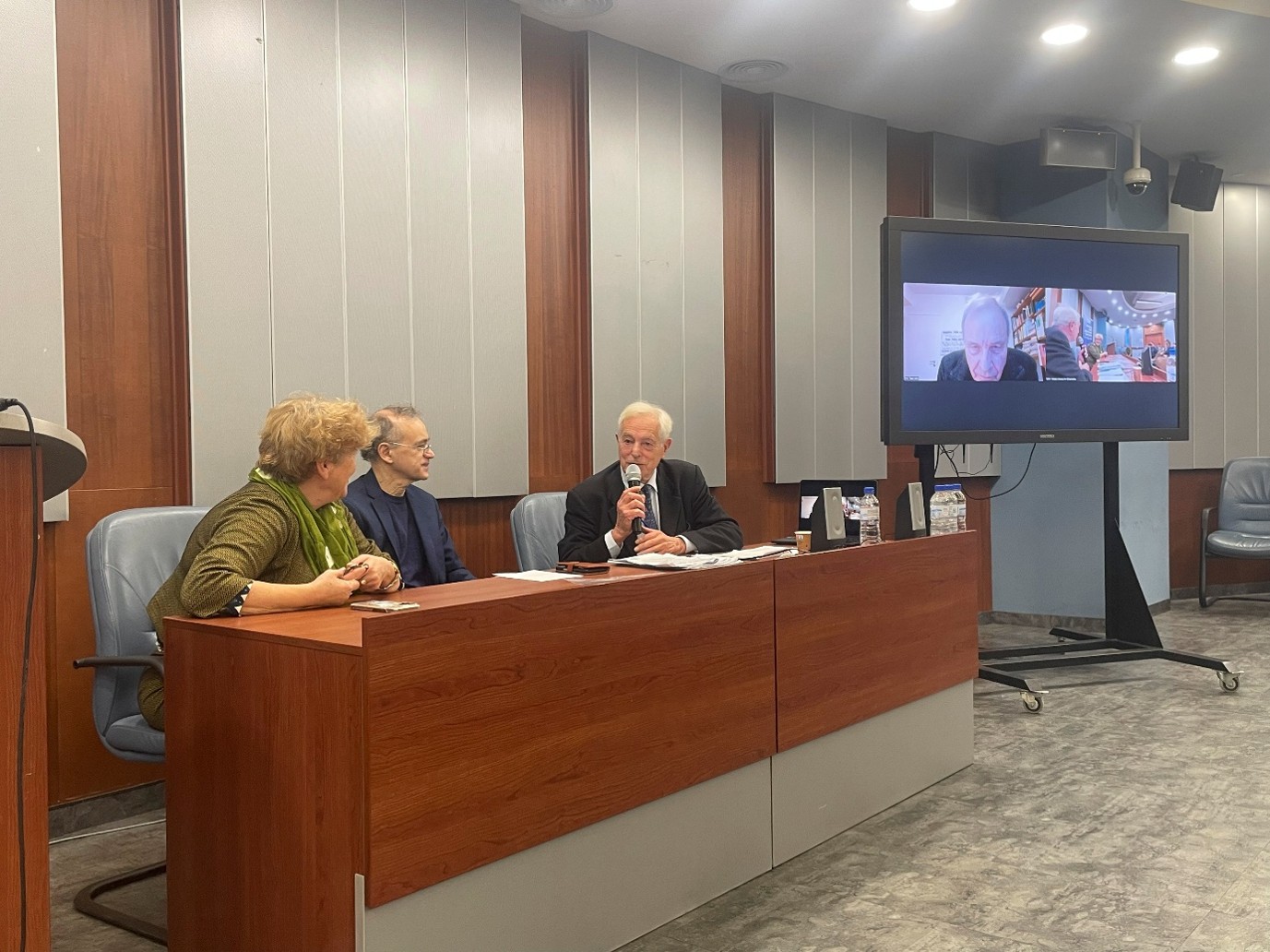
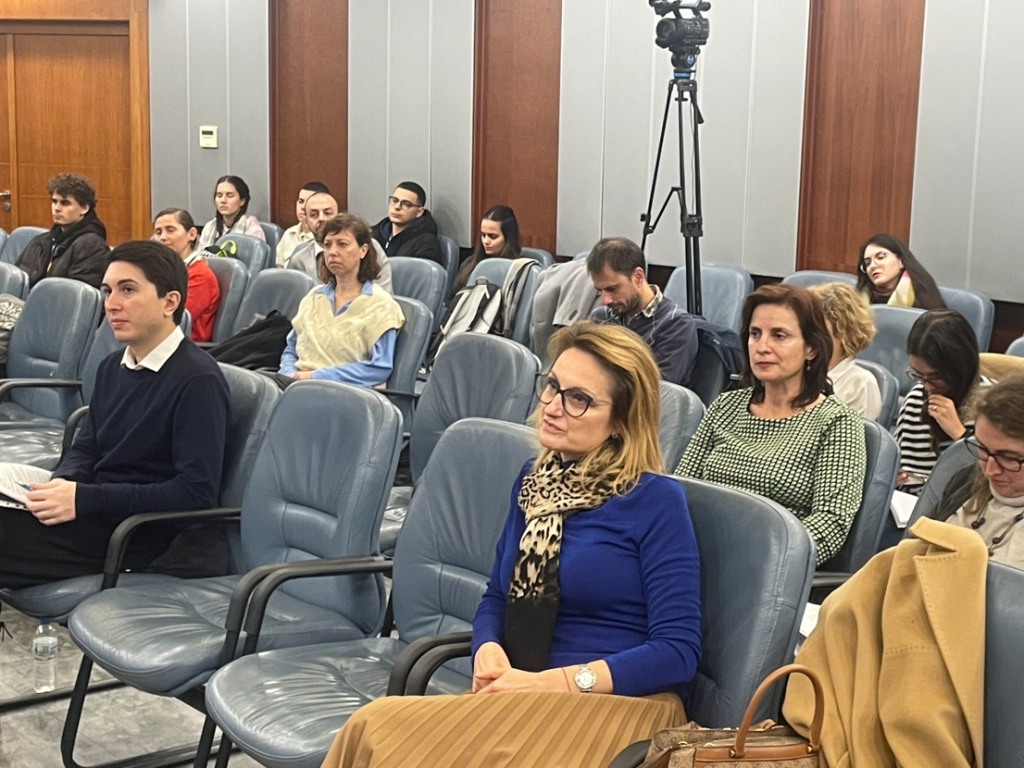
Bringing together experts, civil society representatives and young people, the Democracy & Information Festival in Sofia, 03.11.2026, created a space for dialogue, learning and collaboration around some of the most pressing challenges shaping today’s information environment. More than 50 participants gathered at Sofia UNiversity for the Democracy & Information Festival, a full day of panel discussions and interactive activities dedicated to exploring the relationship between information, technology and democracy. Bringing together academics, media literacy experts, civil society representatives and students, the event offered an opportunity to exchange perspectives, reflect on emerging challenges and explore practical ways to build a more informed, resilient and inclusive society.
At a time when disinformation, artificial intelligence and the growing influence of digital platforms are transforming how people access, understand and share information, the festival highlighted the importance of strengthening media literacy, promoting democratic values and ensuring that technology serves people and society. Through a combination of expert discussions and participatory activities, the programme addressed both the risks and opportunities of the evolving digital landscape.
Rethinking media literacy through peace and intercultural dialogue
The festival started with the panel “Peace Literacy: Rethinking Media Literacy Beyond Borders”, which explored how media literacy can extend beyond the ability to identify reliable information and recognise disinformation. The discussion focused on the role of peace literacy, global citizenship and intercultural dialogue in fostering mutual understanding, respect for diversity and peaceful coexistence. The panelists, Prof. Tapio Varis, UNESCO Chair in global e-Learning, Prof. Madeleine Danova, Vice-Rector, International Affairs, Sofia University, Prof. Marco Ricceri, President of the European Association for Viewers Interest (EAVI) and Paolo Celot, Executive Secretary of EAVI joined the session inviting participants to consider how education and communication can contribute to building more peaceful and democratic societies.
In an increasingly interconnected world, information travels across national, cultural and linguistic borders, influencing perceptions, relationships and public debates. The ability to understand different perspectives, engage in constructive dialogue and critically evaluate information is therefore essential not only for responsible media consumption but also for active citizenship.
The discussion underlined the importance of approaching media literacy as a broader social and democratic competence. Beyond navigating digital content, citizens need the knowledge and skills to engage respectfully with others, challenge stereotypes and contribute to a culture of dialogue. By connecting media literacy with peace education and global citizenship, the session highlighted its potential to support more inclusive communities and strengthen democratic resilience.
Artificial intelligence: A double-edged sword for democracy
The second panel, “Artificial Intelligence: A Double-Edged Sword for Democracy”, turned the spotlight on one of the most influential technological developments of our time. With contributions from Prof. Maarit Jaakkola (Finland), Prof. Danail Danov (SU) and Lidija Kralj (Croatia), the discussion examined how artificial intelligence is transforming the information environment and what this means for democratic societies. Particular attention was given to AI’s impact on disinformation, education and public trust.
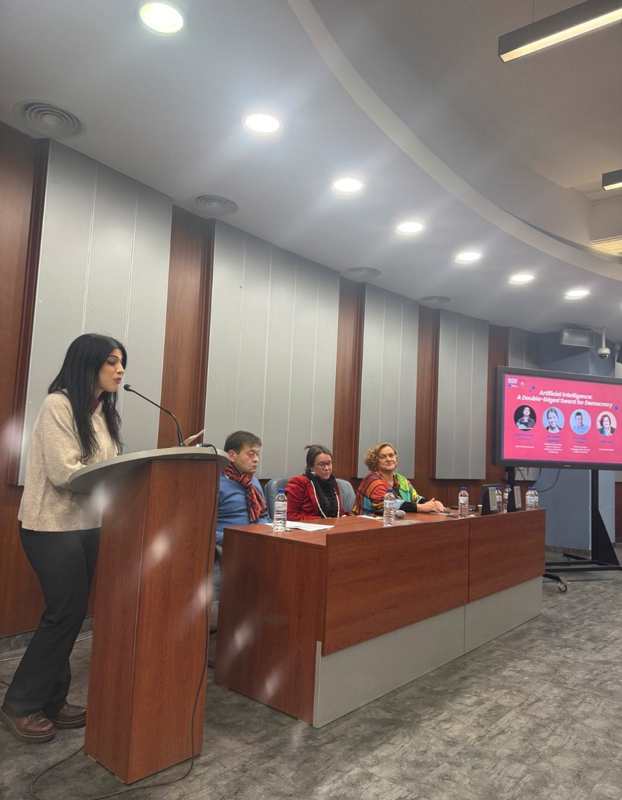
As pointed out, artificial intelligence offers significant opportunities to improve access to knowledge, support learning, and make information more accessible. At the same time, its rapid development raises important questions about the reliability of digital content, the spread of manipulated information and the ability of citizens to distinguish authentic material from AI-generated content.
The panel explored the complexity of this relationship, emphasising that AI should not be understood simply as a threat or a solution. Panelists stressed the fact that its impact depends largely on how it is designed, developed, regulated and used.
Education and critical thinking emerged as important elements in preparing citizens to navigate an AI-driven information environment. Understanding how AI systems work, recognising their limitations and questioning the information they produce are increasingly essential skills. Equally important is ensuring transparency, accountability and human oversight in the development and application of these technologies.
Ultimately, the discussion highlighted the need for a human-centred approach to artificial intelligence, one that protects democratic values while allowing society to benefit from technological innovation.
Big Tech and digital wellbeing: Who shapes our reality?
In the late afternoon, participants turned their attention to the influence of major technology companies and digital platforms during the panel “Big Tech and Digital Wellbeing: Who Shapes Our Reality?”
Featuring Iglika Ivanova (Bulgaria), Spaska Tarandova (Bulgaria) and Semih Solmaz (EAVI), the session examined how digital platforms shape everyday experiences, influence access to information and affect individual and collective wellbeing.
Social media and other digital services have become central to how people communicate, learn, work and participate in public life. While these platforms offer unprecedented opportunities for connection and information-sharing, they also raise concerns about excessive screen time, the design of attention-driven digital environments, algorithmic influence and the quality of online interactions.
The discussion encouraged participants to reflect on who shapes the digital spaces they inhabit and how platform design can influence their choices, behaviours and understanding of the world.
Digital wellbeing was considered not merely an individual responsibility but also a broader societal concern. Creating healthier digital environments requires awareness, education and meaningful action from technology companies, policymakers, educators and civil society.
Promoting responsible digital habits, strengthening users’ understanding of platform mechanisms and encouraging more transparent and accountable digital services are all important steps towards ensuring that technology supports rather than undermines people’s wellbeing and democratic participation.
Young people take action: Getting Real with AI
The festival concluded its programme of discussions with an interactive Youth Hackathon: “Getting Real with AI”, placing young people at the centre of conversations about the future of artificial intelligence. Rather than approaching young people solely as users or consumers of emerging technologies, the hackathon invited them to become active participants in shaping how AI can be developed and used responsibly.
Through an exchange of ideas and collaborative activities, participants were encouraged to explore practical solutions for more responsible and human-centred AI. The session provided a space to reflect on real-life challenges, share perspectives and consider how young people’s creativity and experiences can contribute to a more ethical digital future.
The hackathon also reinforced an important message running throughout the festival: young people must have a meaningful voice in discussions about technologies that increasingly influence their education, relationships, access to information and future opportunities.
By encouraging experimentation, collaboration and critical reflection, the activity demonstrated the value of participatory approaches to digital and AI literacy.
Connecting people, ideas and resources through media literacy
Alongside the panel discussions and interactive sessions, participants had the opportunity to explore EAVI’s Media Literacy Booth, open throughout the day. The booth showcased a variety of projects, campaigns and educational resources addressing media literacy, AI literacy, disinformation and digital wellbeing. It offered participants an opportunity to discover practical tools and initiatives that can support critical engagement with media and technology.
By bringing educational resources directly into the festival environment, the booth complemented the discussions and helped connect broader concepts with practical learning opportunities. It also highlighted the importance of making media literacy accessible to different audiences and encouraging continuous learning beyond individual events.
Building a more informed and resilient democratic society
With approximately 50 people attending, the Democracy & Information Festival in Sofia brought together different generations, professional backgrounds and areas of expertise around a shared interest: understanding how information and technology shape our societies. The programme demonstrated that the challenges facing today’s information environment cannot be addressed from a single perspective. Disinformation, artificial intelligence, digital wellbeing and democratic participation are closely interconnected issues that require cooperation between academia, civil society, educators, technology stakeholders and citizens themselves.
From rethinking media literacy through the lens of peace and intercultural dialogue to examining the democratic implications of AI and the influence of Big Tech, the festival offered a platform for meaningful exchange and critical reflection. The Youth Hackathon added an important participatory dimension, reminding everyone that young people are not simply preparing for the digital future — they are already helping to shape it.
Ultimately, the event reinforced the importance of placing people, critical thinking and democratic values at the heart of the digital transformation. Building a healthier information environment requires more than technological solutions. It calls for informed citizens, responsible innovation, inclusive education and spaces where different perspectives can meet.
The Democracy & Information Festival in Sofia provided just such a space, encouraging participants to look beyond the challenges of today’s digital world and consider the opportunities for creating a more informed, responsible and democratic future.